




CEO at Trigo.
I’ll start by stating the obvious. Globally, the economy has seen better days. In its April World Economic Outlook update, the IMF forecasted growth this year will fall to 2.8% (from 3.4% in 2022) and that global inflation won’t return to its target before 2025. The labor market has yet to recover from pandemic-era turmoil, and employers, specifically retailers, still find it extremely challenging and costly to onboard and retain employees. Climate change is adding fossil fuel to the fire, contributing to rising costs for utilities and basic goods with a direct impact on the grocery retail business.
Grocery retailers are in a precarious position. While the sector is thought to be less exposed to economic downturns, and while retailers don’t hold responsibility for inflation-led price hikes, they face the tremendous burden of keeping prices competitively low while optimizing margins and staying afloat. The food price index has just reached its highest levels this millennium, which means that globally, retailers and suppliers are facing their own cost crisis, as higher direct costs and changing shopper preferences are squeezing margins.
What’s more, financial stress gives rise to challenging phenomena such as shoplifting. Shrink is a growing problem, both by lone and opportunity offenders and organized retail crime, which contributes to $100 billion in shrink that retailers in the U.S. now experience annually, according to the National Retail Federation (NRF).
No Time Like The Present
A stringent economic period may intuitively feel like a bad time to invest in new technology. But the current retail market is such that survival is dependent on innovation, now a decisive factor in customer retention. What’s more, key cost-cutting efficiencies and revenue optimization opportunities are dependent on technological infrastructure.
Brand loyalty is the canary in the coal mine of an economy in a downturn. As shoppers become more and more price-sensitive and lean into special offers and low-cost items, competition shifts gears. This spells an opportunity for innovative, forward-thinking retailers. This is also the finest hour for discounters, who would be able to increase their market share significantly if they take the right steps to differentiate themselves. To avoid rolling higher costs of goods onto shoppers and losing CLV to competitors, retailers must reimagine their business and locate value and efficiencies across the entire retail chain.
Automation technologies, particularly those powered by advanced artificial intelligence capabilities, unlock efficiencies. In addition to streamlining store operations and reducing dependencies on expensive labor, smart solutions deliver rich data insights that empower retailers to make informed decisions, from store layouts to product range. That is the reason many forward-thinking retailers are betting on automation. By the end of its fiscal year 2026, Walmart said it expects “about 65% of its stores will have automation capabilities, 55% of its fulfillment center volume will move through automated facilities, and unit cost averages could fall by some 20%.”
Retailers, especially industry giants like Walmart, play a long game. The investments they make today are designed to help them compete years from now. Walmart’s commitment to automation signifies that the retail giant sees it as the bedrock of their future operations.
How Automation Unlocks Growth Opportunities
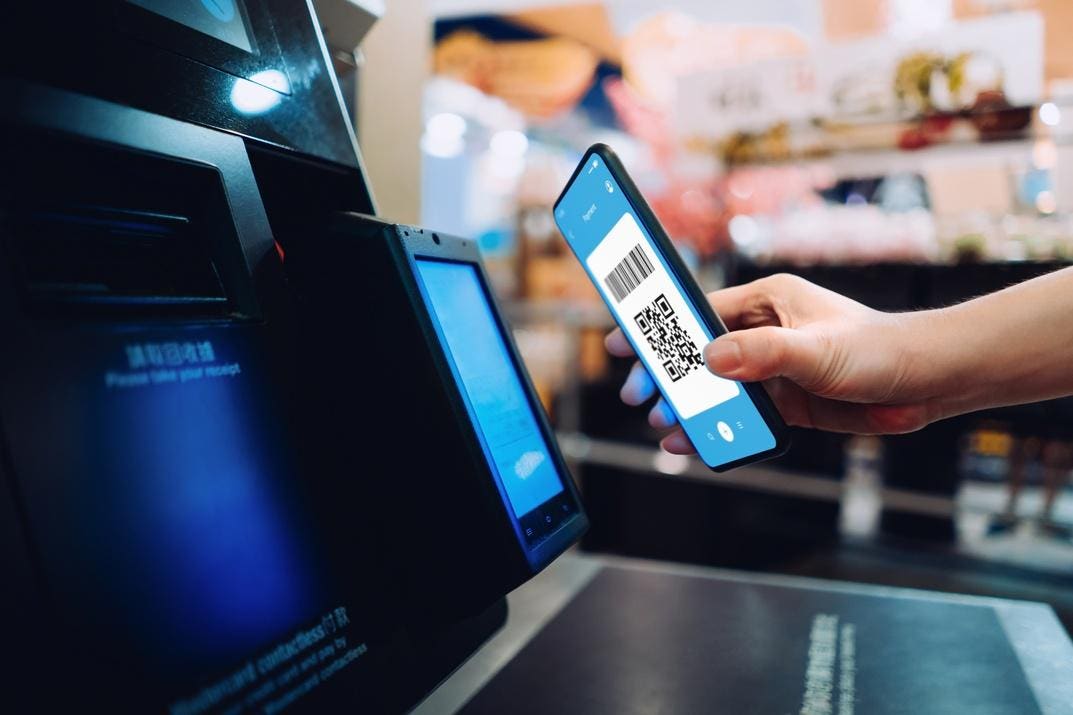
Cashierless checkout reduces retailers’ dependency on cashier labor, which, according to PWC, amounts, on average, to 30% to 40% of retailers’ labor costs. This doesn’t necessarily mean the elimination of jobs. Rather, retailers may choose to reallocate low-impact, high-churn cashier jobs towards high-impact jobs in store and stock upkeep and customer service.
The entry of AI-powered automation solutions into retail also marks the era of data-driven operations. Data, like that collected and analyzed—anonymously—by computer vision-powered solutions, is translated into rich insights on shoppers’ journeys and product interactions. These insights help retailers optimize store layouts, product range and availability to maximize conversion and shopper satisfaction. Shopper data helps reduce waste and powers better, more targeted promotions, while the technical infrastructure supporting cashier-less checkout can also enable event-based marketing and in-store media. Perhaps most critically, computer vision automated checkout is shown to reduce shrink significantly.
All these cost-cutting and revenue-optimizing measures add up to a measurable ROI.
How Can Tech Innovators Become Better Tech Partners
As retailers work to adapt their business and operations to the demands of a fluctuating economy, retail tech partners must also adapt to the changing needs and tighter purses of retailers and focus on adding value. This could involve a significant recalibration of priorities and R&D investment.
The key question to ask is how to deliver the most value to retailers right now. Working closely with our retail partners, we see them responding to their shoppers’ changing needs and expectations. One area where we are able to support this effort is by leveraging our unique in-store data to deliver insights on changing consumer behaviors such as product interaction and choices and shoppers’ in-store journeys.
Key Takeaways
1. The current state of the global economy is pressing grocery retailers into tough prices and experiencing competition while also giving rise to retail crime and shrinkage. A stringent economic period may inspire frugality, but a smart investment in technology and supporting infrastructure build a competitive edge and unlock cost-cutting efficiencies and value.
2. In addition to streamlining store operations and reducing dependencies on expensive labor, AI-powered store automation technologies deliver rich data insights that empower retailers to make smart decisions. In-store data can help retailers optimize store layouts, product range and availability, reduce waste, offer better-targeted promotions and more.
3. As retailers adapt to changing economic trends and changing customer priorities, tech partners must also adapt to the changing needs and tighter purses of retailers and focus on adding value. This could involve a significant recalibration of priorities and R&D investment.
Forbes Technology Council is an invitation-only community for world-class CIOs, CTOs and technology executives. Do I qualify?
Read the full article here