





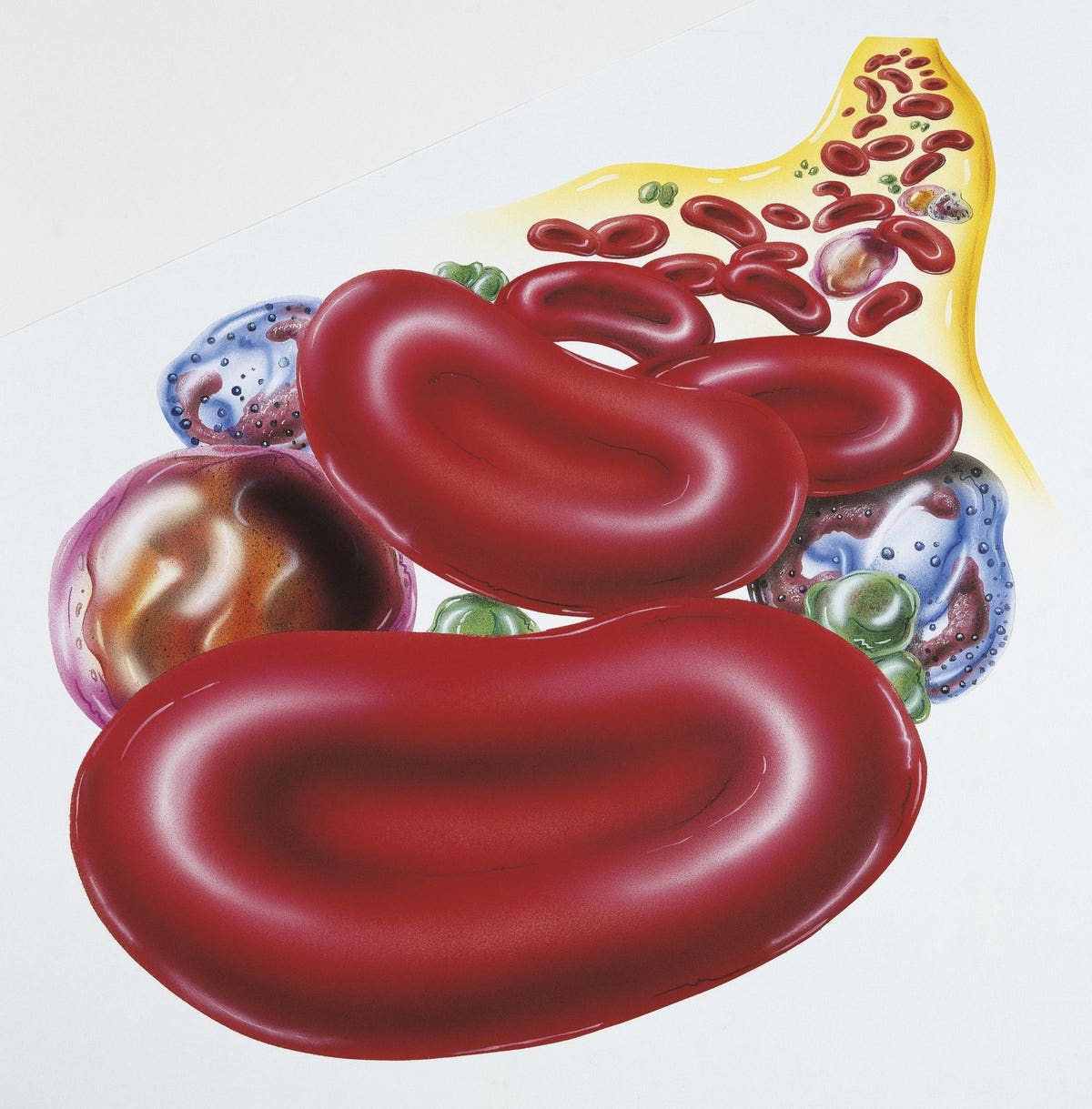
According to a recent study published in The Lancet Hematology, in 2021, the leading cause of anemia globally was dietary iron deficiency (66.2% of all anemia cases). Women are far more likely to have anemia than men. While approximately 444 million men are anemic, 825 million women were diagnosed with the condition. The highest prevalence is among women and children residing in South Asia and sub-Saharan Africa. Whereas Western Europe, Australia, and the United States had the lowest number of anemia cases.
“Gender inequalities related to household food consumption and division of labor exacerbate disparities in conditions such as anemia because women might be the most likely among household members to be affected by food insecurity and to lack access to sufficient quantities of iron-rich foods, and be less likely to receive health screening and care, whether due to domestic work demands, lack of autonomy, or prioritization of other family members’ care,” Nick Kassebaum, senior author of the study and professor of anesthesiology at the University of Washington, and colleagues, wrote in the Lancet study.
“Social interventions, including education for girls and women and expanded agricultural empowerment (eg, access to productive resources, self-managed time, decision making power, and financial control) of women, could help to reduce these disparities,” they added.
The most common symptoms include exhaustion, fatigue, difficulties concentrating on routine tasks, and being productive. During pregnancy, anemia increases the risks of low birth weight, preterm labor, stillbirth, postpartum hemorrhage, and higher likelihood of the child and mother developing infections. Whereas children with anemia could potentially experience cognitive deficits and also a higher mortality risk from vector-borne diseases like malaria.
“However, iron administration alone is likely to be insufficient because inadequate iron intake is only one of numerous underlying reasons for an individual to be iron-deficient or anemic,” the researchers noted.
“Fewer than half of individuals with anemia will respond to iron interventions if the causes of anemia that are unrelated to inadequate iron intake are not addressed, and it should therefore not be surprising that progress in reducing the burden of anemia has been slow and uneven in regions around the world,” they added.
To investigate the global prevalence of anemia, the team studied representative data from 1990 to 2021 for 204 countries. The data included individuals’ mean hemoglobin concentrations that the researchers collected from different sources like population surveys, government reports, and published studies.
The global prevalence of anemia was 24.3% in 2021 (1.9 billion people) compared to 28.2% in 1990. While Mali, Zambia, and Togo reported the highest burden of anemia cases (greater than 50%), Iceland, Norway, and Monaco had the lowest prevalence globally. The study further estimates that anemia caused around 52 million years of living with disability.
“The largest decreases were among males and adults aged 20–74 years and not the young children (<5 years) and women of reproductive age that are the focus of international targets on anemia and nutrition,” the researchers observed.
“Preventing diseases and injuries that cause anemia is a crucial component of any public health strategy for anemia. For example, antiretroviral therapy can help to reverse anemia and improve survival in people living with HIV,” they added. “Malaria control methods (eg, mosquito vector management and treatment of bed nets with insecticide), malaria vaccination, and increased access to antimalarial medications can reduce the incidence of malaria and subsequently reduce anemia.”
The study was conducted by the Institute for Health Metrics and Evaluation (IHME), based in Seattle, and the findings were published on July 31, 2023.
Read the full article here