




A new federal organization called the U.S. Wildland Fire Service has been established to streamline government responses to the growing threat posed by wildfires and improve resiliency in the nation.
U.S. Interior Secretary Doug Burgum on Jan. 12 issued Order No. 3448 in a reorganization of various departmental wildfire operations into a unified U.S. Wildland Fire Service and appointed Brian Fennessy as its new leader.
“Wildfire does not discriminate. It impacts rural towns and major cities, businesses and families alike,” Burgum announced that day, adding that the U.S. Department of Interior “is taking decisive steps to strengthen coordination and preparedness as we confront an escalating wildfire challenge.”
The U.S. Congress Joint Economic Committee estimated that wildfires nationally incur annual costs ranging from $394 billion to $893 billion.
The DOI is responsible for mitigating and responding to fires on over 500 million acres of public and Tribal lands managed by the Bureau of Indian Affairs, National Park Service, U.S. Fish and Wildlife Service, and Bureau of Land Management.
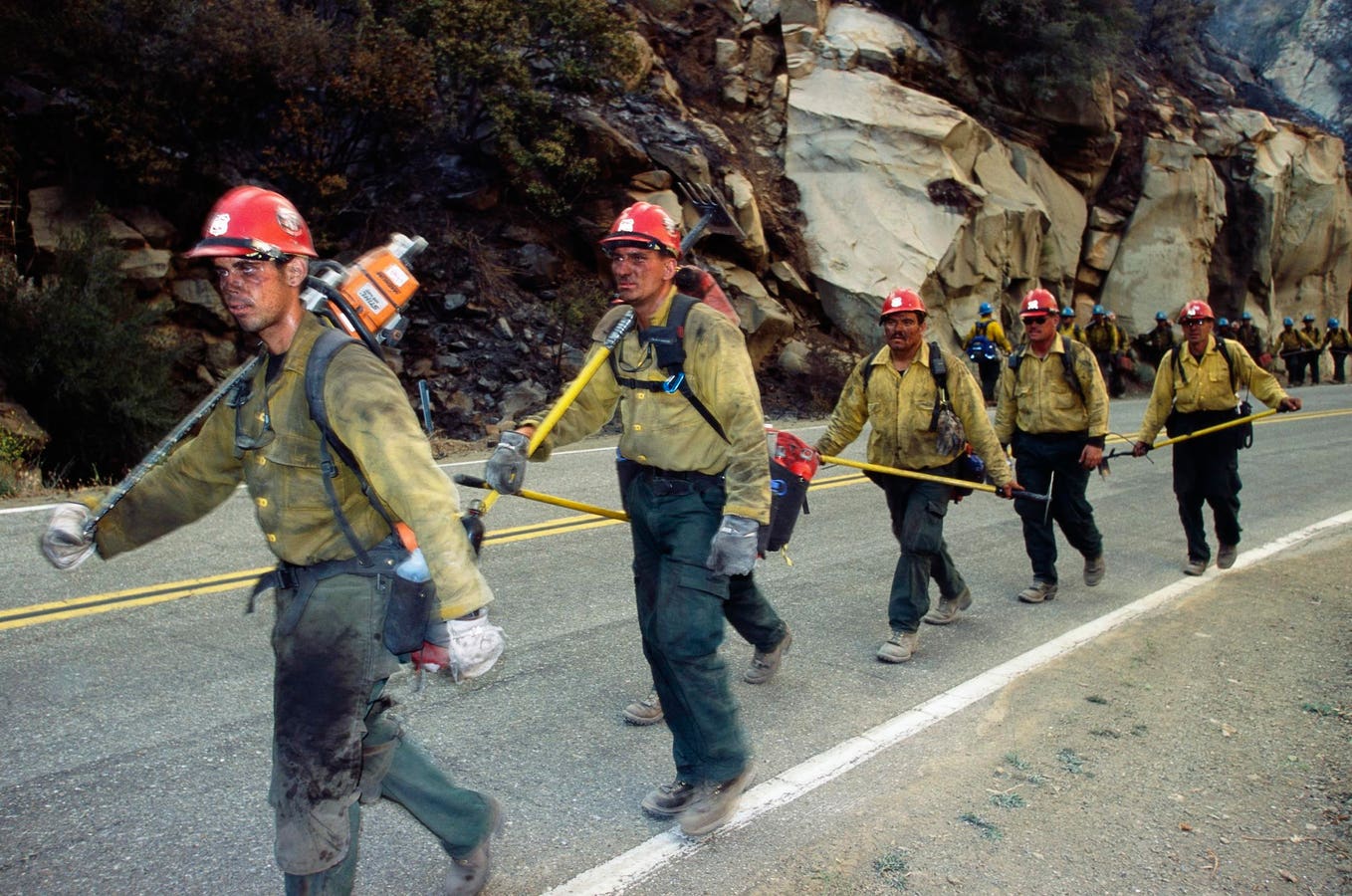
Within DOI are 4,000 permanent wildland fire professionals as well as thousands of seasonal workers whose jobs are to prevent and respond to wildfires.
The agency also “manages substantial firefighting equipment and other assets in various locations across the country, including aviation assets, and engages in numerous support agreements with state, local and Tribal firefighting organizations,” according to DOI.
Fennessy brings expertise as former chief of the San Diego Fire-Rescue Department and past fire chief of the Orange County Fire Authority, one of California’s largest fire departments. He has also worked for U.S. Forest Service and the BLM.
Fennessy said: “Wildfire response depends on coordination, clarity and speed. This initial planning effort is about bringing programs together, strengthening cooperation across the [Interior] Department and building a framework that better supports firefighters and the communities they serve.”
Last year there were more than 72,000 wildfires reported accounting for “105% of the 20-year (2001–20) average,” noted the National Centers for Environmental Information. “The total number of acres burned from these wildfires—5.0 million acres—was 72% of the 20-year average of nearly 7 million acres.”
These findings were contained in an annual National Climate Report for 2025, which revealed last year was the fourth-warmest year during the 131 years of U.S. temperature records. Both Utah and Nevada experienced the warmest years on record.
Duties of the New U.S. Wildland Fire Service
The goal of the new U.S. Wildland Fire Service is to provide better federal responses to wildfire threats to people, property and infrastructure. The organization also is to modernize wildland fire management for better national resilience on public lands.
Among the benefits of the reorganization will be streamlining decision-making and the chain of command of fire personnel, while coordinating with the DOI’s land management bureaus.
Financial improvements will include standardized job descriptions, compensation, retirement and recruitment.
The organization is also tasked with improving coordination between government agencies and other stakeholders.
Another directive is to create an integrated wildland fire intelligence and data capability.
Read the full article here