





Vice President of Innovation & Growth at NVST.
The emergence of advanced AI technologies like Chat GPT and Google Bard has sparked debates on the ethics and regulations surrounding these solutions. However, it is undeniable that AI has the potential to impact society significantly. When we examine recent innovations, many involve underutilized assets. Just as Uber and Airbnb monetized privately owned assets, AI can revolutionize medical technology by addressing the inefficiencies in medical workflows.
This article will explore the transformative changes AI can bring to medical workflow software.
Workflow Optimization
AI can analyze workflow patterns, identify bottlenecks and suggest improvements to enhance efficiency in healthcare settings. It optimizes patient scheduling, resource allocation and inventory management, improving patient flow and reducing wait times. Surgical workflows can benefit from AI by automating restocking orders and identifying potential gaps, such as supply chain issues, which can cause delays.
For example, Censis Technologies has automated portions of the sterilization process, especially around tracking. This increases the productivity of support staff in hospitals, freeing them up for high-productivity work. According to their website, Censis claims, “Customers using CensisAI2 see a 25% reduction in trays down at the start of first shift within the first six months.”
Predictive Analytics
By leveraging machine learning algorithms, medical workflow software can analyze patient data to identify patterns indicating the likelihood of certain conditions or diseases. This enables early detection and intervention, potentially improving patient outcomes and reducing healthcare costs.
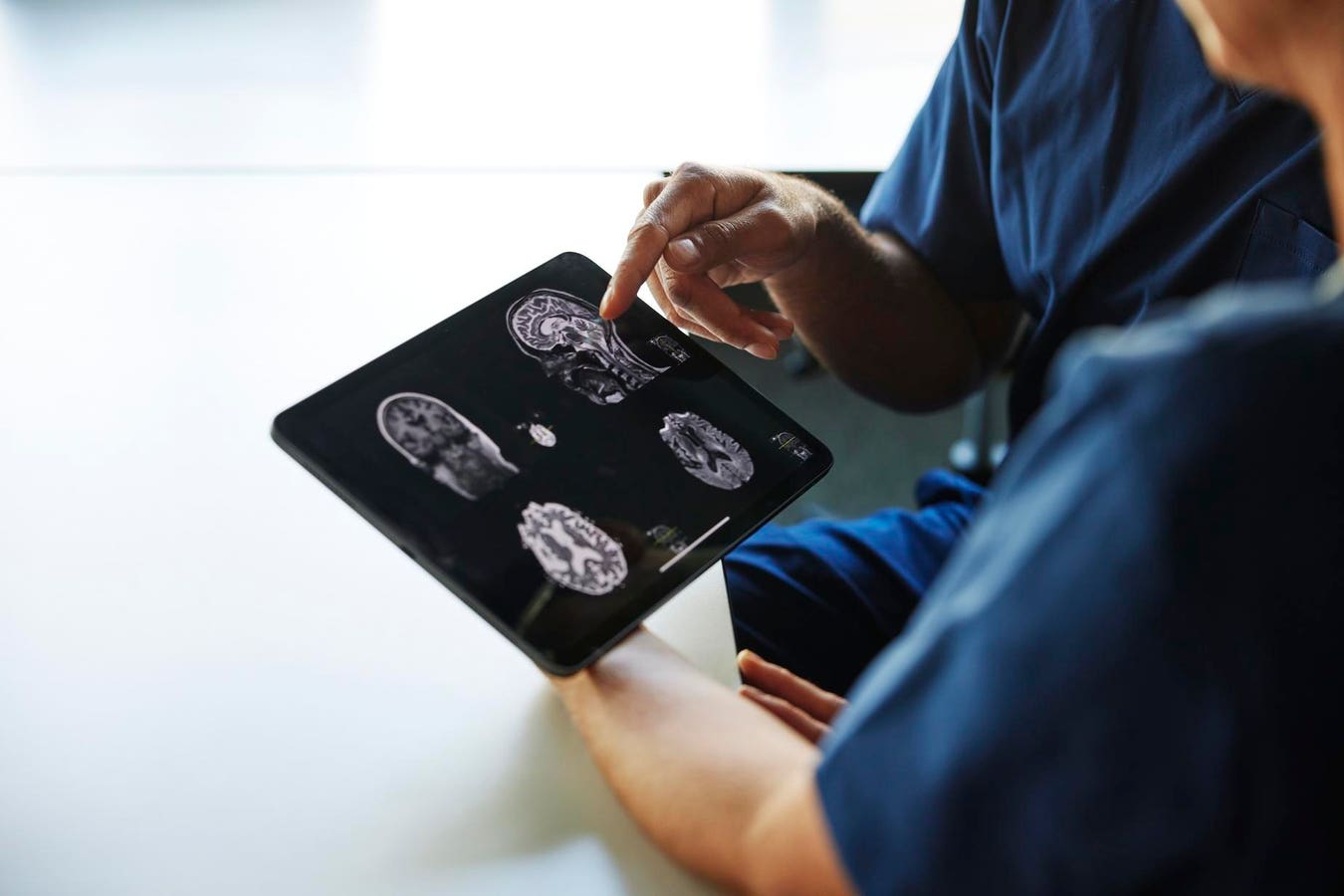
For instance, AI algorithms can analyze medical images like X-rays, CT scans and MRIs, aiding in detecting abnormalities and assisting radiologists in diagnoses. AI can also process signals from devices like electrocardiograms (ECGs) or wearable sensors to monitor vital signs remotely, leading to comprehensive insights.
Take, for example, heart catheters from Edwards Lifesciences’ HemoSphere; they are laying AI capabilities on top of their new Acumen product to predict potential extenuating circumstances. According to their investor relations documentation, they hope to evolve this further to predict and prescribe by 2028. In heart surgery, where minutes matter, this type of intelligence has the potential to save lives when nurses are attending to other patients. Their clinical results indicate a 35% reduction in ventilation time and seven hours less in ICU already using this technology.
Decision Support
AI algorithms can analyze vast amounts of patient data, including medical records, lab results and imaging scans, providing valuable insights and supporting clinical decision making. AI-based decision support systems can aid healthcare providers in diagnosing diseases, determining treatment plans and predicting patient outcomes. AI can serve as the first reviewer, expediting the process of multiple doctors’ reviews.
Moreover, AI has shown potential in recognizing dental pathology that doctors might miss, as seen without software, increasing the likelihood of implant success and reducing the likelihood of complications.
Intelligent Automation
AI can automate repetitive and mundane tasks such as data entry, documentation and appointment scheduling. This automation frees up healthcare professionals’ time, allowing them to focus on complex and critical aspects of patient care.
For example, voice automation can transcribe spoken information into structured medical records, reducing the administrative burden and improving accuracy in coding and billing processes. This can radically improve the billing experience, a known challenge in the U.S. hospital system.
The last time I went to a mass general doctor, they used automatic notes transcription. More recently, startups like Nexcode have taken this technology to the next level with natural language processing (NLP).
Personalized Medicine
AI can assist in tailoring treatment plans to individual patients based on their unique characteristics and medical histories. By considering a patient’s genetic profile, lifestyle factors and treatment responses from similar patients, AI algorithms can provide recommendations for personalized therapies, medication dosages and preventive measures.
Similar to artificial intelligence stock traders, who outperform human traders by objectively reviewing all data, personalized medicine will be free from omitting known data, making assessments more logical and comprehensive.
While this technology is just in its infancy from a deployment standpoint, it has been well-studied and documented. Not all forays here have been successful as IBM’s Watson, which saw some initial success, has since been sold. With that being said, this is an area with a great opportunity to optimize doctors’ time for complex cases and democratize access to healthcare more broadly. As such, it is still an area to pay attention to.
Using AI Responsibly
While AI offers great potential, integrating it into medical workflow software requires caution. Proper validation, regulatory compliance and ethical considerations are crucial to ensure patient data’s reliability, safety and privacy while maintaining human oversight and accountability in healthcare decision making.
While potentially impeding progress, government regulations play a crucial role in protecting patients and society. The future of AI in medical technology is bright, but it must be ushered in responsibly and with appropriate checks and balances.
Forbes Technology Council is an invitation-only community for world-class CIOs, CTOs and technology executives. Do I qualify?
Read the full article here