





In the digital realm, the “momosphere” has been growing: an online safe-haven filled with mothers and wives creating content related to cooking, relationships and parenting. This space has given rise to the development of an online community–one that allows women to empower, encourage and support one another through the challenges and joys of motherhood and marriage.
However, in this realm, a new online persona has emerged: the “tradwife”—women who create appealing online content that embodies and encourages conformity to traditional gender roles. While the choice to adhere to traditional gender roles may seem innocuous, extensive psychological research suggests that the surge in tradwife content and adherence poses significant threats to feminism and gender equality, given its concerning roots in the alt-right.
The Psychological Harms of The “Tradwife” Movement
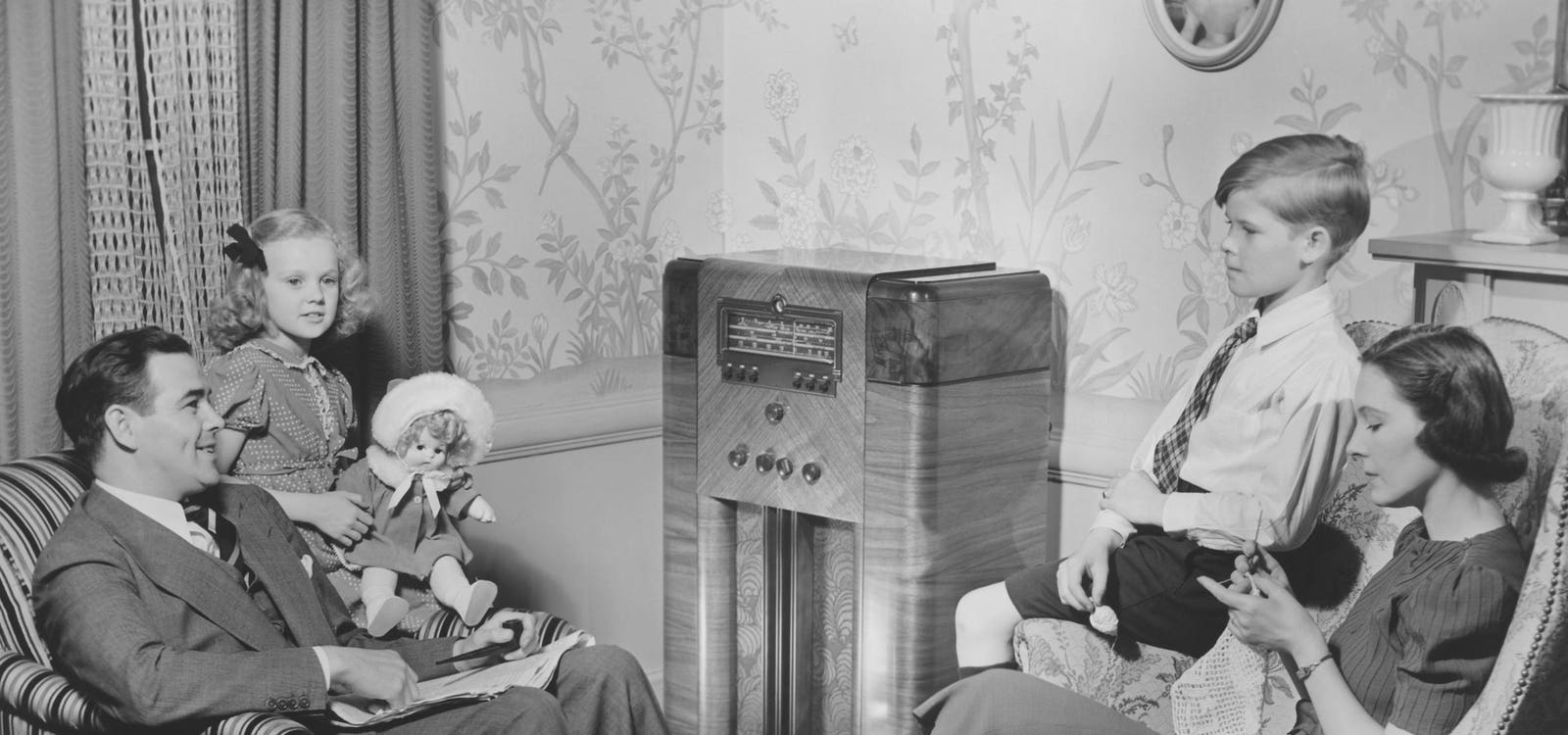
Gender roles—the societal expectations regarding the behaviors, attitudes and responsibilities deemed appropriate for men and women—have undergone significant transformations over the years. Historically, rigid gender roles confined both men and women to predetermined roles within the family and society. Women were predominantly assigned domestic and child-rearing responsibilities, while men were expected to be the primary breadwinners and providers.
However, with the advent of the feminist movement in the mid-20th century, these traditional roles began to be challenged. Women sought equality, pushing against societal norms to secure opportunities in education, employment and leadership. Today, feminism honors each individual’s right to choose: to work or to stay at home, to provide or to be a homemaker, or to be both or neither—no matter your gender.
A study from Psychology of Women Quarterly highlights the intricate relationship between the value placed on gender conformity and its multifaceted consequences. Tradwives, by adhering staunchly to traditional gender roles, potentially subject themselves to a complex array of psychological threats.
While historical and recent research has explored the impact of gender conformity on self-esteem and affect, the contemporary findings underscore the crucial need to distinguish between autonomous and pressured motivations for gender-consistent behavior.
Investing in societal gender ideals, as propagated by the tradwife movement, has been shown to instigate pressured motivation, thereby adversely affecting self-esteem. The pressure to conform to rigid gender norms, often strongly perpetuated by tradwives, can create a psychological burden that compromises individual well-being. The expectation to fit into predefined and taxing roles may lead to feelings of inadequacy or failure if one falls short of these ideals, fostering a negative impact on self-esteem.
Conversely, the study reveals a positive correlation between privately valuing one’s gender identity and autonomous motivation, which is associated with elevated levels of positive self-esteem. When individuals embrace their gender identity as a personal choice, detached from external pressures, they are more likely to engage in behaviors that align with their authentic selves. This autonomous motivation fosters a sense of empowerment, positively influencing self-esteem and overall psychological well-being.
The psychological dangers of the tradwife movement become apparent as individuals, particularly women, navigate the fine line between conforming to societal expectations and cultivating an autonomous sense of identity. The movement’s emphasis on rigid gender roles and the pressure to conform may contribute to internal conflicts, exacerbating the already complex relationship between gender identity, societal expectations and psychological well-being.
The Darker Dangers Of The “Tradwife” Movement
Beyond the individual harms that the tradwife movement poses, the movement has also been shown to be fueled by alt-right ideologies. The alt-right refers to a right-wing movement that rejects mainstream politics and utilizes online platforms to share provocative content, often expressing opposition to racial, religious or gender equality.
The tradwife movement’s link to alt-right ideologies presents a unique set of dangers that extend far beyond the surface appeal of its aesthetic and empowerment rhetoric. Influencers on social media platforms have been instrumental in packaging far-right populist movements as attractive content. Tradwives, as part of the alt-right community, strategically blend extremist politics with aesthetics of femininity, beauty and relationships.
A study published in Media and Communication delves into the ways tradwife vloggers’ videos stylistically thread alt-right anti-feminism into the broader online influencer culture. By repeatedly displaying aesthetic content associated with feminine identity, home and family, these influencers create a powerful visual narrative that resonates with a wide audience. This mode of veridiction serves as a potent tool for spreading anti-feminist sentiment—in a dangerously digestible and aesthetically pleasing way—within and beyond online communities.
Further research from Persona Studies examines the blogs and social media posts of self-identified tradwives and their promotion of traditional gender roles and family life. While some tradwives use feminist rhetoric to portray their movement as an empowering choice, a deeper investigation reveals potential connections to radical white supremacy. The problematic nature of the tradwife identity extends beyond gender roles, occasionally aligning with overtly white supremacist content or hashtags—signaling allegiance to hate groups.
Through the examination of well-known tradwife profiles, the research proves it evident that online identities can contribute to the process of extremist radicalization, either implicitly or explicitly. As the networks around these profiles expand across multiple platforms, the tradwife persona reveals different paths that can contribute to the dangerous intersection of gender conformity and extremist ideologies.
While the choice to embrace traditional gender roles is a personal one, the tradwife movement’s association with the alt-right and potential links to white supremacy highlight the need for a more critical examination.
Conclusion
As scholars and individuals alike, we must remain vigilant on social media platforms and their potential to spread extremist messaging through seemingly ambiguous content. The tradwife movement challenges us to reflect on the fragility of societal progress and the importance of actively promoting values that embrace diversity, equality and inclusion.
Read the full article here