





Technology has a way of fundamentally altering our culture and how we do things. Things like televisions, microwaves, personal computers, and smartphones are mainstream now, and it’s hard to imagine life without them, but there was a time not long ago when they simply didn’t exist yet. One technology that has dramatically influenced society today—in both positive and negative ways—is the ubiquitous presence of video cameras and the rise of video culture.
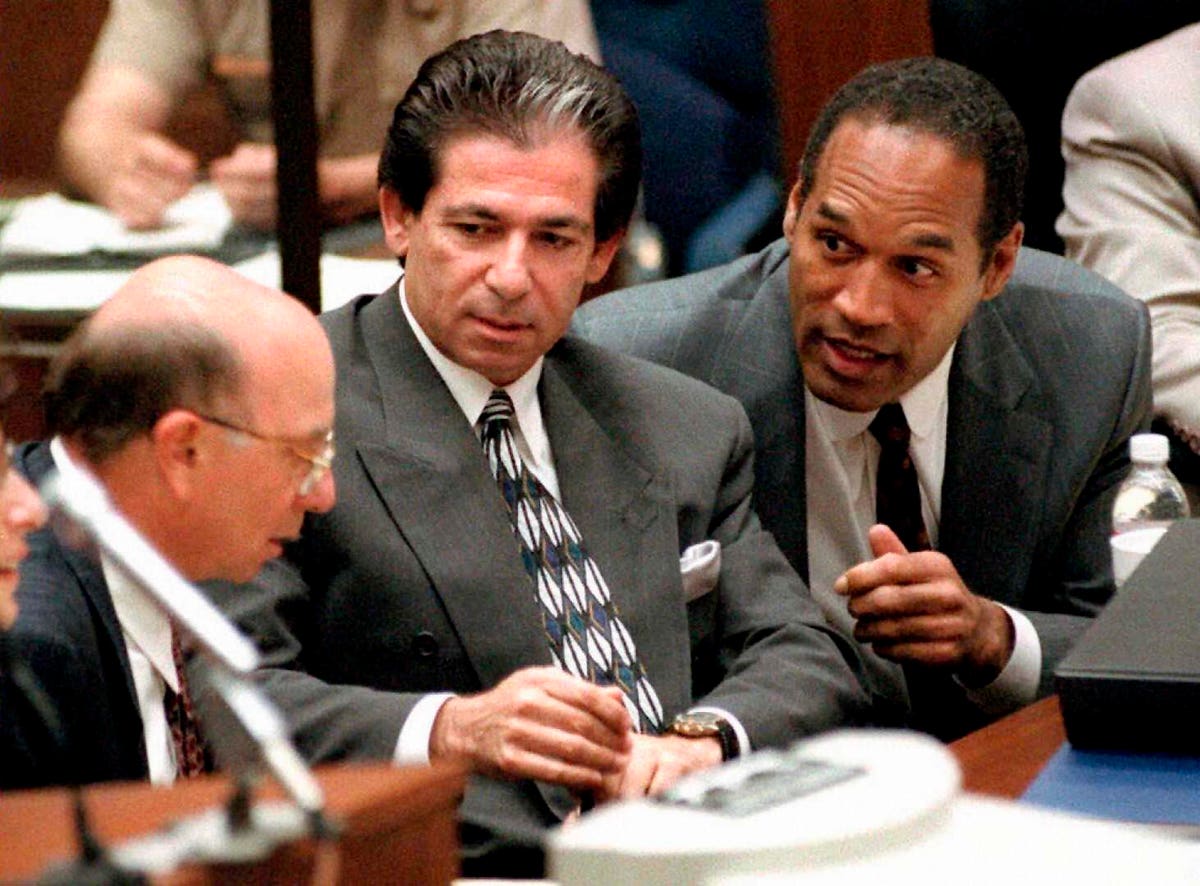
Nat Geo examines the shows and events that ushered in the age of reality TV in the latest episode of “Rewind the ‘90s,” titled “The Reality Revolution.” The episode explores the popularity of “America’s Funniest Home Videos,” the recording of police officers beating Rodney King, chasing OJ Simpson’s white Bronco down the highway, and the infancy of reality TV.
Ubiquitous Video Cameras
I spoke with Sophie Bushwick, tech editor for Scientific American, and one of the experts who appears on this episode, about the explosion of video technology. We talked about how video recording technology got smaller and lighter, and easier and easier to use throughout the 90s. It also got significantly cheaper—both for the video hardware and for the recording media and production.
Before that, many people had video cameras, but they were large, bulky devices that you would only break out for a special occasion like a recital or a school play. They weren’t the kind of thing you just carried around all the time on the off chance you’d have an opportunity to use it.
“But then as they got smaller, you started having those camcorders that can be held with just a single hand and it had a little screen that flipped out, so you didn’t have to have your eyeball pressed to the viewfinder the whole time,” explained Sophie. “That’s way easier to have on hand to pull up for a spontaneous moment. Then when it merged with the smartphone, it’s smaller and smaller and easier and easier to have it become just something you cart around all the time and you’re ready to grab and film with at any given time as well.”
Pros and Cons of Video Culture
The proliferation of video cameras is a topic that is both lauded for its merits and criticized for its pitfalls and consequences. As you walk through a bustling city street or even a quiet neighborhood park, the chances are high that you’re being observed, either by the government, businesses, or private individuals.
On one hand, the prevalence of these video cameras has undeniably enhanced our security. Streets that were once havens for petty criminals are now often deserted of such activities, all thanks to the watchful eyes in the sky. Crimes that do occur are often swiftly solved with crystal-clear evidence.
The city traffic, too, benefits from this oversight. With cameras at every major junction, traffic flows smoothly, and potential pileups are anticipated and avoided. And, on a more personal note, who hasn’t enjoyed the ability to capture serendipitous moments on their smartphones, recording memories to be relished for a lifetime (or at least stored in the cloud and accessible should you ever wish to relive those moments)?
However, as you retreat into a cozy cafe, hoping for a quiet moment with a book, you can’t help but feel the weight of unseen eyes. The omnipresence of cameras has raised significant privacy concerns. Are we sacrificing our right to privacy for the illusion of security? And even if these vast amounts of footage are captured with good intentions, what guarantees do we have that they won’t be misused? Data breaches, unfortunately, are not uncommon in this era. A simple leak or hack can expose intimate moments to the world.
Then there’s the question of trust in authorities. While many institutions assure us that surveillance is for our benefit, the potential for misuse is undeniable. The silent lenses might be used for more than just maintaining law and order; they could be tools for unwarranted profiling, discrimination, or even blackmail.
And in this surveillance-laden world, are we becoming too complacent? Do we risk trading human intuition and interaction for cold, mechanical oversight? There’s something irreplaceable about human judgment, something a camera can’t replicate.
Questionable Motives of Reality TV
The explosion of video culture was also the catalyst for reality TV. The real impetus for reality TV is particularly relevant right now, though, as the entertainment world struggles to negotiate an end to strikes by the WGA (Writers Guild of America) and SAG-AFTRA (Screen Actors Guild-American Federation of Television and Radio Artists).
While watching shows like America’s Funniest Home Videos, or unscripted reality shows like Survivor or The Real Housewives of Miami is entertaining to a large segment of the population, there is a questionable motive behind the shows from the perspective of the networks and studios that produce them. They are unscripted—so no writers are necessary. They are captured or contributed footage or involve everyday people—so no actors are necessary. Essentially, reality TV eliminates most of the creative roles and enables the networks to keep more of the pie for themselves.
Video Culture and Privacy
Perhaps that ship has sailed?
I’m not trying to be cynical or pessimistic about privacy, but as I pointed out earlier, there are cameras almost literally everywhere. Debating the ins and outs of privacy rights in specific scenarios or instances seems like trying to stop a leaking faucet on the Titanic while it’s going down.
Sophie shared, “There’s no real federal overarching rule about dealing with data privacy. I think, because of the improvements in video and storage abilities, there’s a ton of data being generated. A lot of people are unclear about what happens to it. A lot of people are unclear about their rights.”
We also discussed how there are often people in the background of videos who have no idea they are in them. Sophie said, “When you make this technology ubiquitous, it really does become a situation where anything can be turned into a video and then any video can be turned into a viral moment. It can be edited, or remixed, or turned into something that people want to share on Tik Tok or on any of the other outlets people have.”
Harnessing Video Culture for Good
As our cities, homes, and pockets brim with lenses, society stands at a crossroads. The debate between security and privacy, between oversight and freedom, is more pertinent than ever. As technology advances, so must our ethics and our choices, ensuring that we harness its power without losing ourselves in its gaze.
Read the full article here