




Startup DreamersStartup Dreamers
  • Home
  • Startup
  • Money & Finance
  • Starting a Business
    • Branding
    • Business Ideas
    • Business Models
    • Business Plans
    • Fundraising
  • Growing a Business
  • More
    • Innovation
    • Leadership
Trending

Inside OpenAI’s Raid on Thinking Machines Lab

January 18, 2026

NASA Rolled Out Artemis —Here’s Why It Matters

January 18, 2026

Healthcare’s AI Lesson: Autocomplete Isn’t Understanding

January 17, 2026
Facebook Twitter Instagram
  • Newsletter
  • Submit Articles
  • Privacy
  • Advertise
  • Contact
Facebook Twitter Instagram
Startup DreamersStartup Dreamers
  • Home
  • Startup
  • Money & Finance
  • Starting a Business
    • Branding
    • Business Ideas
    • Business Models
    • Business Plans
    • Fundraising
  • Growing a Business
  • More
    • Innovation
    • Leadership
Subscribe for Alerts
Startup DreamersStartup Dreamers
Home » Stars Over 12 Billion Years At The Heart Of Our Galaxy
Innovation

Stars Over 12 Billion Years At The Heart Of Our Galaxy

adminBy adminJuly 7, 20230 ViewsNo Comments3 Mins Read
Facebook Twitter Pinterest LinkedIn Tumblr Email

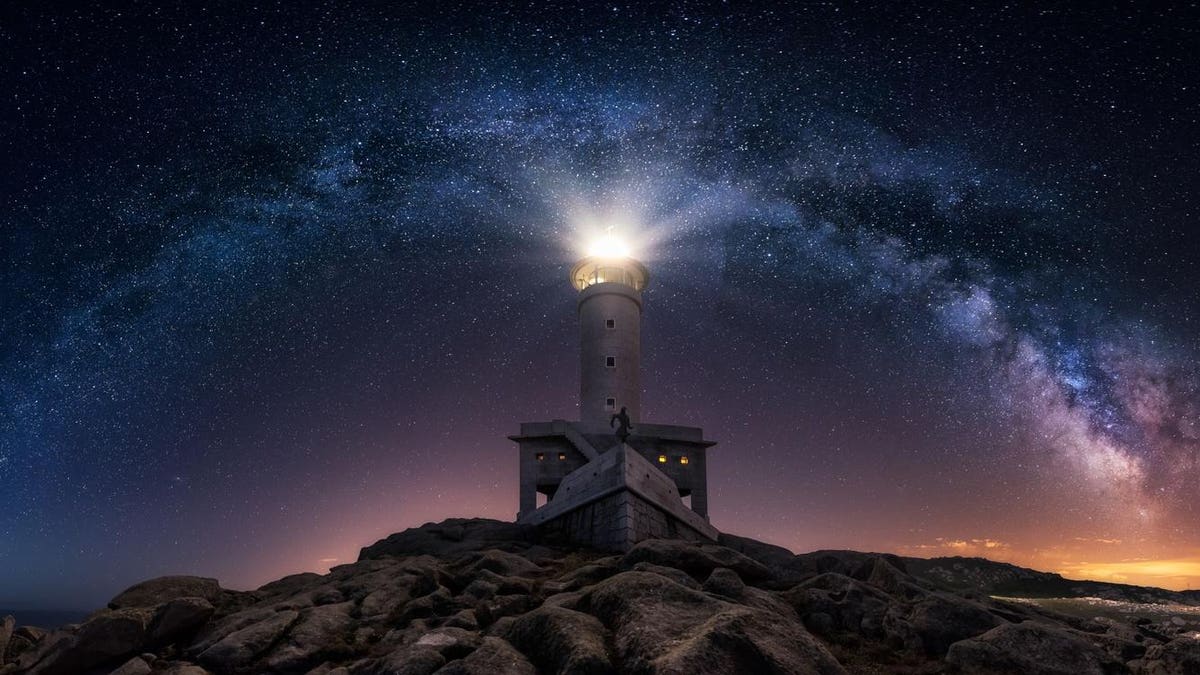
Scientists have found a group of ancient stars orbiting close to the center of our galaxy that may have formed in just the first billion years of the universe.

That’s news because old stars are generally only found around the very edges of the Milky Way within the 150+ globular clusters—also called “galactic wanderers”—which may be linked to supermassive stars.

The Pristine Inner Galaxy Survey (PIGS), which reported their results at this week’s National Astronomy Meeting 2023 at Cardiff University in Wales, UK, were looking near the galaxy’s center because galaxy formation models suggest that there ought to be ancient stars there—though very few have ever been seen before.

That’s because the ancient stars in the galaxy’s center are both shrouded by dust and hugely outnumbered by younger stars, making identification difficult.

Relics From the Early Universe

However, these ancient stars are very different to younger stars. While younger stars—such as our sun—comprise all kinds of heavy elements forged in supernova explosions (such as oxygen, carbon and iron), these ancient stars came to be before those elements were abundant. So ancient stars are made largely from hydrogen and helium.

The PIGS survey found that these ancient stars are moving gradually despite likely being born in chaos.

“It is exciting to think that we are seeing stars that formed in the earliest phases of the Milky Way, previously largely out of reach,” said Dr Anke Arentsen from the University of Cambridge and a PIGS member. “These stars likely formed less than a billion years after the Big Bang, so are relics from the early Universe.”

Key to How Galaxies Form

This largest set yet of detailed observations for pristine inner galaxy stars were obtained using the Canada-France-Hawaii Telescope (CFHT) in Mauna Kea, Hawaii and checked using the Anglo-Australian Telescope (AAT) at the Siding Spring Observatory, Australia.

The data—which was then combined with data from the Gaia space mission to see how these ancient stars move through the Milky Way—should help scientists understand what all galaxies are like as they were starting to form.

The Big Bang is the dominant theory of how the universe came to exist. Occurring 13.8 billion years ago, it’s thought to be the moment when a hot, dense fireball began expanding into the universe we see today.

Globular clusters—dense balls of hundreds of thousands of stars of a similar age are thought to have formed at the same time as the first galaxies, shortly after the Big Bango.

Wishing you clear skies and wide eyes.

Read the full article here

Share. Facebook Twitter Pinterest LinkedIn Tumblr Email

Related Articles

NASA Rolled Out Artemis —Here’s Why It Matters

Innovation January 18, 2026

Healthcare’s AI Lesson: Autocomplete Isn’t Understanding

Innovation January 17, 2026

Let’s Solve The Riemann Hypothesis

Innovation January 16, 2026

TCL’s 2026 TV Range Swims Against The RGB MiniLED Tide

Innovation January 15, 2026

Google DeepMind Shows Apptronik’s Robot Doing Real-World Tasks

Innovation December 11, 2025

Wednesday, December 10 (A Nobel Effort)

Innovation December 10, 2025
Add A Comment

Leave A Reply Cancel Reply

Editors Picks

Inside OpenAI’s Raid on Thinking Machines Lab

January 18, 2026

NASA Rolled Out Artemis —Here’s Why It Matters

January 18, 2026

Healthcare’s AI Lesson: Autocomplete Isn’t Understanding

January 17, 2026

China’s Hottest App Is a Daily Test of Whether You’re Still Alive

January 16, 2026

Let’s Solve The Riemann Hypothesis

January 16, 2026

Latest Posts

TCL’s 2026 TV Range Swims Against The RGB MiniLED Tide

January 15, 2026

Why Are Grok and X Still Available in App Stores?

January 13, 2026

Steve Jobs’ Early Apple Items Are Going Up for Auction—Along With His Bow Ties

January 12, 2026

Billion-Dollar Data Centers Are Taking Over the World

January 11, 2026

AI Devices Are Coming. Will Your Favorite Apps Be Along for the Ride?

January 10, 2026
Advertisement
Demo

Startup Dreamers is your one-stop website for the latest news and updates about how to start a business, follow us now to get the news that matters to you.

Facebook Twitter Instagram Pinterest YouTube
Sections
  • Growing a Business
  • Innovation
  • Leadership
  • Money & Finance
  • Starting a Business
Trending Topics
  • Branding
  • Business Ideas
  • Business Models
  • Business Plans
  • Fundraising

Subscribe to Updates

Get the latest business and startup news and updates directly to your inbox.

© 2026 Startup Dreamers. All Rights Reserved.
  • Privacy Policy
  • Terms of use
  • Press Release
  • Advertise
  • Contact

Type above and press Enter to search. Press Esc to cancel.

GET $5000 NO CREDIT