





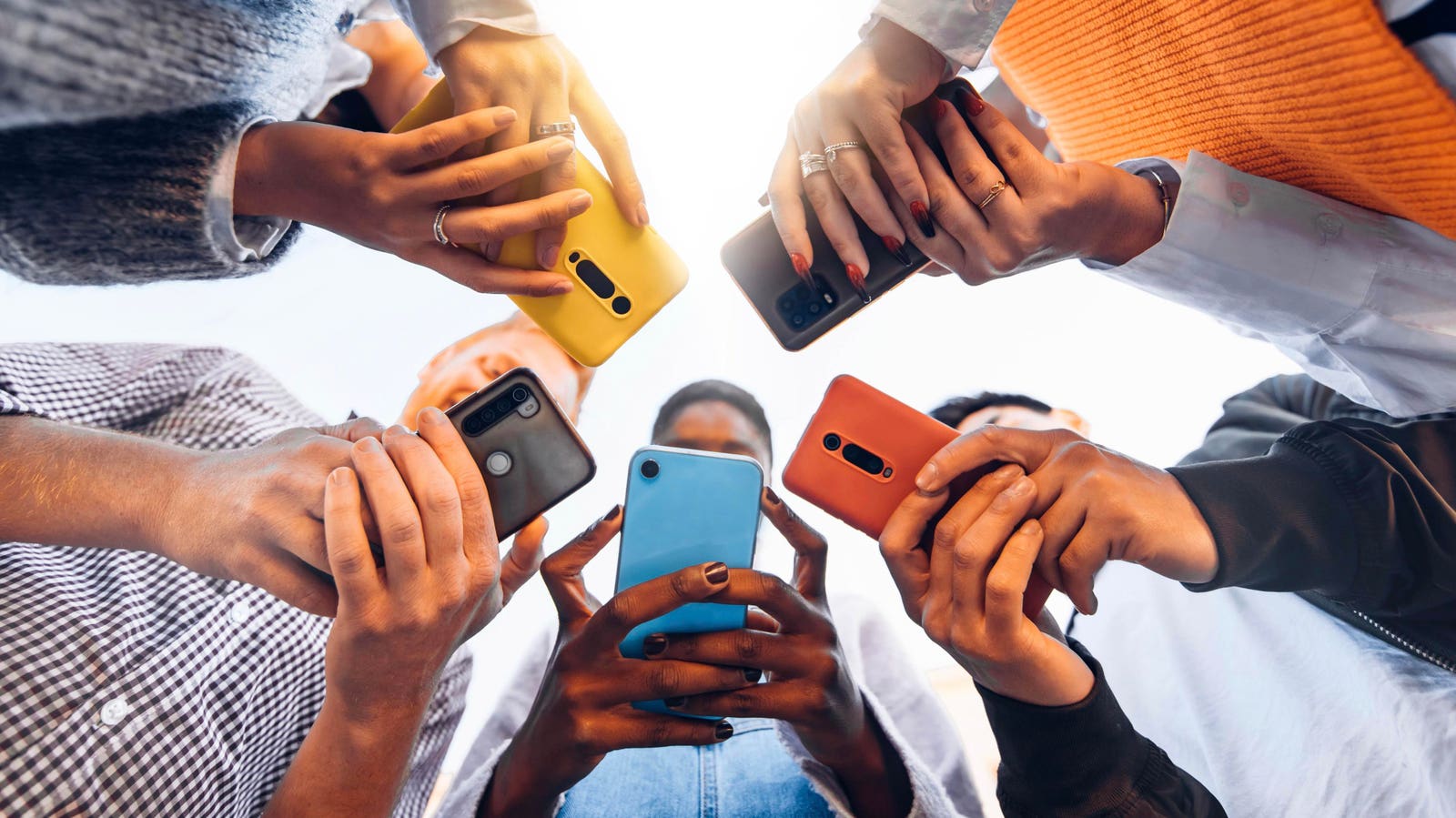
A new report from Common Sense Media reveals that trust in big tech among American teenagers is steadily eroding. While teens remain heavy users of platforms like Instagram, TikTok and Snapchat, their confidence in the companies behind these technologies has plummeted.
According to the report fewer than one in ten teens believe tech companies prioritize their well-being. Meanwhile, nearly half express little to no trust in tech companies’ ability to make responsible decisions about artificial intelligence—and artificial intelligence is at the forefront of teens’ worries about technology.
While they recognize its creative and educational potential, they are also keenly aware of its risks. For many, AI represents a double-edged sword: Offering new tools for productivity and innovation, while also raising concerns about ethics, transparency and misuse.
One of the primary worries is AI’s role in misinformation and deception. Teens are increasingly encountering examples of deepfakes, AI-generated images, and disinformation campaigns, leaving many unsure about what to trust online.
According to the report, 60% of teens say they now question the accuracy of online information they encounter. This distrust extends to the companies deploying AI, as nearly 70% of teens want transparency about when and how AI is being used in the content they consume.
Additionally, teens are grappling with the impact AI is having on creativity. Generative AI tools like OpenAI’s ChatGPT and DALL·E have made it easier to produce art, music and written content. While these tools empower young creators, they also raise thorny questions about intellectual property. The U.S. Copyright Office has already ruled that purely AI-generated works cannot be copyrighted, leaving teens who rely on AI tools concerned about how to protect their contributions.
“What’s frustrating is that I want to use AI to be more creative, but it feels like the system isn’t set up to respect or protect my work,” said one teen surveyed by Common Sense Media. Many young creators are now calling for clearer guidelines to ensure they retain authorship when AI is part of their creative process.
Beyond AI, teens are also deeply concerned with how companies handle their personal information. For years, social media platforms have faced backlash over their data collection practices, and teens are increasingly aware of these risks. According to the report, just 15% of teens trust social media companies to safeguard their private data.
In response, many young people are adopting defensive strategies to protect themselves online. This includes using burner accounts, limiting personal information they share and avoiding platforms they perceive as overly intrusive. For example, some teens prefer peer-to-peer messaging apps like Discord, which they view as less commercialized, over algorithm-driven networks like Instagram or TikTok.
Teens are also paying closer attention to how algorithms shape their online experiences. Many are wary of how platforms use automated systems to target content, raising concerns that platforms prioritize engagement over user well-being. This reflects a shift in how teens view technology—not just as a tool but as a system that actively shapes their behavior, sometimes in ways they distrust.
What stands out in this report is how teens are adapting to a world where they feel they cannot fully trust big tech. Instead of disengaging, they are becoming savvier about how they navigate digital spaces. According to the research:
- Skepticism and Verification: Teens are increasingly questioning the accuracy of the content they encounter and are more proactive in verifying its authenticity. Many are learning to cross-reference information and use fact-checking resources to avoid falling prey to misinformation.
- Critical Consumption: Many teens have adopted a more selective approach to what platforms they use and how they engage with them, prioritizing services that emphasize privacy and transparency.
- Creative Advocacy: Teen creators are leading conversations about intellectual property in the digital age, advocating for clearer rules and ethical AI practices.
This behavioral shift highlights the growing sophistication of a generation that refuses to accept technology at face value. As one teen put it in the study: “We all use social media, but we also kind of hate it. You never know what’s real.” This report should act as a bellwether for the tech industry. Gen Z isn’t as trusting as previous generations, and their skepticism is shaping how they engage with technology. For major platforms, this could mean losing a sizeable market share of a key demographic—teens—if they fail to evolve.
Read the full article here