



Nelson Mandela, renowned freedom fighter and anti-apartheid activist, spent 27 years in prison, a tale of resilience and hardship. Yet, his compelling story is often distorted in collective memory, as many vividly recall Mandela’s death in prison during the 1980s. In reality, Mandela lived a long and fruitful life post-incarceration; he went on to become president of South Africa from 1994 to 1999 and passed away in 2013, at 95-years old.
Despite these facts, many hold strongly to the belief that they remember Mandela had died in prison. This mind-boggling phenomenon—a massive, collective belief in an event or fact that is not true—has been dubbed “the Mandela effect.” Interestingly, this phenomenon has been observed extensively in different contexts.
But how is it that our minds can convince us of having memories of events that never really happened? And how is it that large groups of people can all happen to share the exact same false memory? Here’s what psychologists know about the Mandela effect.
How Our Brain Creates False Memories
The Mandela effect is often agreed to be an example of a false memory—a recollection that seems true in your mind, but in reality, is either partially or entirely fabricated. While it sounds implausible that the mind is capable of lying to us in such ways, false memories occur frequently.
For instance, think of those times where you swear you turned the stove off, where you’re sure you pressed “send” on that important email, you’re positive you put that carton of milk in your shopping cart—only to find that you never actually did.
A study published in Consciousness and Cognition explains how these false memories can happen through the Self-Memory System—a conceptual framework highlighting the connection between our sense of self and our memory. This interconnection encompasses our episodic memory, autobiographical memory and our portion of self-concept that guides information processing—or the “working self.”
The researchers explain that our working self takes cues to build detailed memories based on the knowledge they bring up. This helps in constructing memories of our past, and even in imagining future events. This construction process happens in what is called the “remembering-imagining system,” a mental space filled with recent memories and simulations of things that might happen soon.
However, it is also explained that this system, for various reasons, malfunctions from time to time. Our modern understanding of human memory challenges the idea that memories are always accurate. In fact, it’s argued that all memories, to some degree, are false.
Can Research Explain The “Mandela Effect?”
The Mandela effect comes into play when these constructions of recollections that feel authentic, yet deviate from actual events, happen at the collective level—where large groups of people recall the same baseless fact or event. Mandela’s false death in the 80s is only a single example of this, and many more have been identified since the term has been coined.
For example, almost everyone has played the classic family board game, Monopoly. Upon being asked to describe Mr. Monopoly, the man on the cover of the box, many would describe an older gentleman with a cane, a top hat and a monocle. However, not a single iteration of Monopoly has included him wearing a monocle, yet countless people swear by this memory.
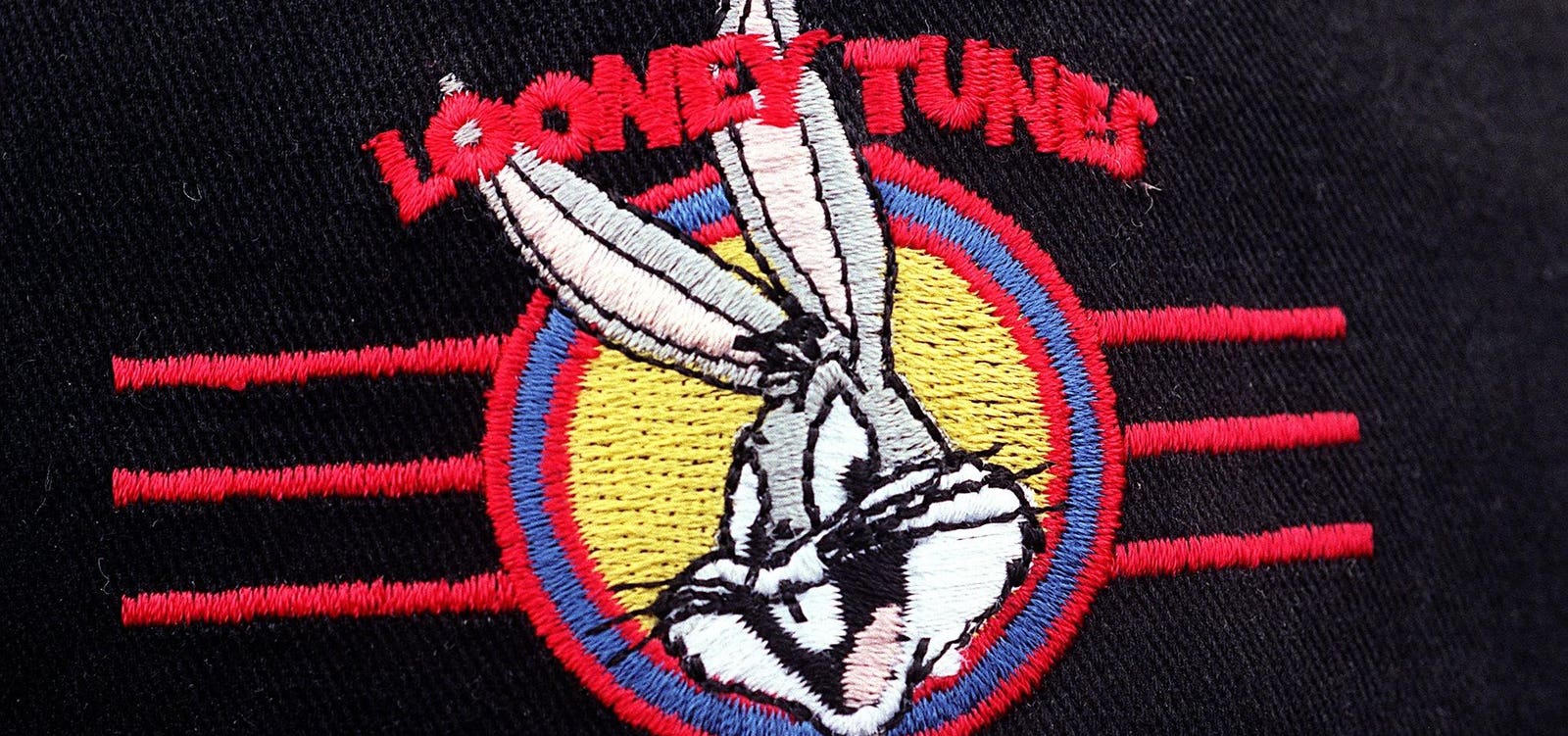
Similarly, many will confidently recall the classic cartoon film series “Looney Toons,” the movie “Sex in the City,” and Darth Vader’s classic line, “Luke, I am your father.” In reality, the show is spelled Looney Tunes, the movie is called Sex and the City, and the line goes, “No, I am your father.”
Psychological Science research aimed to explain this baffling phenomenon, revealing that specific images from popular culture consistently lead to particular false memories. Using eye-tracking-like methods, the researchers found no attention- or visual-related differences causing these collective false memories. Their conclusion was that these errors spontaneously occur during memory recall, emphasizing that despite the majority experiencing the correct image visually, people consistently make the same false-memory error for certain images.
Does The “Mandela Effect” Go Beyond Memory And Psychology?
In various fields that work with the mind, it is well known that memory is fallible. It fades over time, it makes mistakes and it cannot always be trusted. This agreed understanding allows us to make sense of false memories. However, the phenomenon of collective false memories seems to extend beyond the knowledge of psychology and neuroscience.
In alignment with most research on the Mandela effect, the above study from Psychological Science concludes that we cannot know for certain why large groups of people share these fabricated memories. This gap in knowledge has led people down various paths in an attempt to understand it.
Some studies argue it is the cause of some kind of “glitch in the matrix,” delving into connections between the Mandela effect, simulation theory and parallel worlds. Others still maintain it’s a classic example of a false memory, just at a very large and inexplicable level. But, as it stands, the Mandela effect seems to be one of the quirks of the mind science just can’t yet explain.
Conclusion
The Mandela effect remains a perplexing enigma, challenging the limits of our understanding. It defies conventional explanations, leaving a profound mystery in its wake, and research on the matter merely scratches the surface of its inexplicable nature. Attempts to grasp its essence seems only to have led to conspiracy-like theories—hinting at uncharted territories lying beyond the scope of current scientific comprehension—standing testament to the mind’s capacity for peculiarities that continue to elude our grasp.
Read the full article here