




“Lin cannot seriously dispute that the decision to allow opioid sales on Incognito was his own,” the prosecution’s filing reads. “And, Lin made that decision knowing full well that encouraging opioids is tantamount to welcoming fentanyl poisonings.”
Yet portions of the defense’s memos related to Lin’s sentencing point to several specific instances when the FBI informant, while actively controlled by his law enforcement handlers, allegedly made decisions that allowed sales of fentanyl-tainted products—in several cases approving dealers to continue their sales even after clear warnings that their drugs contained fentanyl, Lin’s defense memo says.
In November of 2023, for instance, one Incognito user lodged a complaint that one of the site’s dealers had sold pills containing fentanyl that sent his mother to the hospital. “Someone almost died,” the message read. “Medical bills and the police. Not OK.” Yet according to the defense’s memo, the informant merely refunded the transaction and took no action to remove the dealer from the market.
Another Incognito user soon after complained that the same vendor had sold pills that “ALMOST KILLED ME,” yet the informant again allowed the dealer to stay on the market and carry out more than a thousand more orders over the following months, as the defense memo describes it.
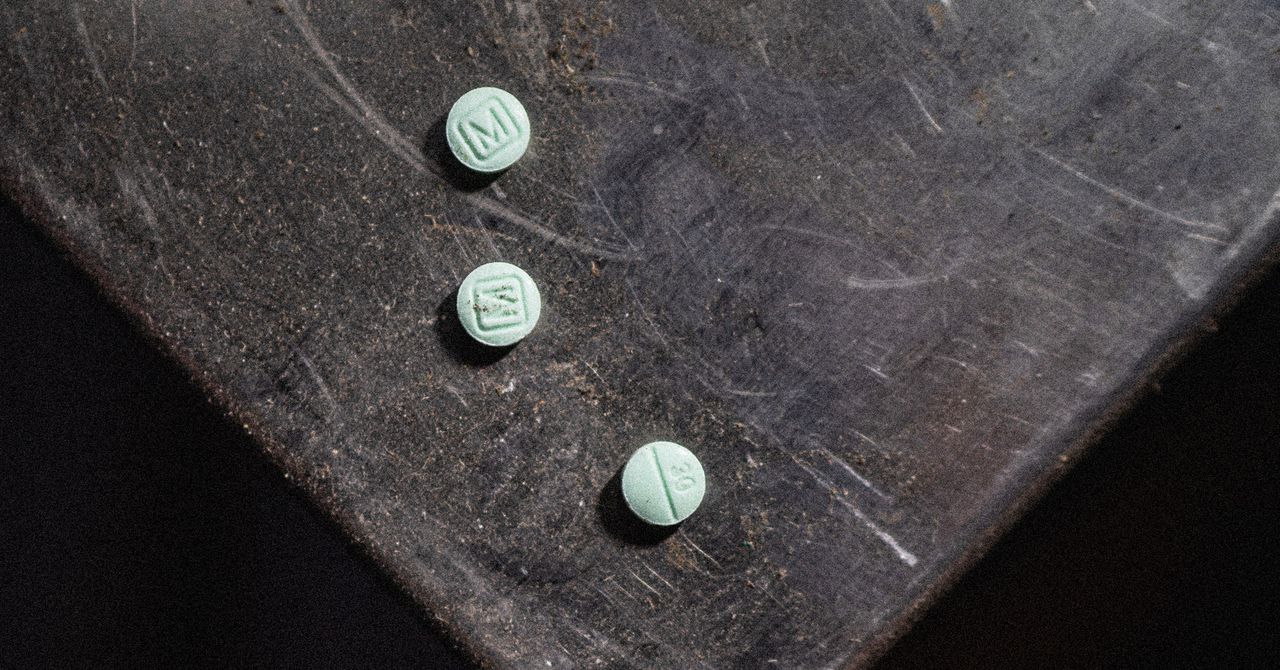
Lin had programmed a system to flag certain product listings on the site as potential fentanyl sales, based on words such as “potent opioids.” Acting on the results of that monitoring system, however, was the job of the FBI informant, the defense wrote in its memo, and the informant disregarded alerts on several occasions, including one for a vendor that called itself RedLightLabs. In September of 2022, RedLightLabs sold the pills to Reed Churchill that were found next to his body after his overdose. (Though the defense’s filing notes that the informant disregarded the Incognito alert for RedLightLabs less than a week before Churchill’s death, it’s not clear if that decision was made before or after those pills were sold.) Two men, Michael Ta and Raj Srinivasan, pleaded guilty in 2023 to running the RedLightLabs account and selling fentanyl-laced pills to five people who died of overdoses.
In another instance, within the first months of the informant joining the site—an infiltration of its management that Lin’s defense says the FBI oversaw from the beginning—the informant and Lin discussed whether to keep the market’s fentanyl ban in place. Only snippets of the text exchange have been included in filings. But at one point the informant seems to raise an argument made on a user forum for the “energy of free markets, allowing people to put whatever they want in their bodies,” according to a sample of their chats quoted by the defense. The prosecution countered that the informant wasn’t advocating for that position, only describing it, and instead made an argument for “harm reduction.”
After the conversation, Lin responded by creating a poll of the site’s users to determine if the fentanyl ban should be lifted, but then rigged the poll’s results to justify the ban staying in place. The prosecution’s filing, however, points to private messages from Lin stating that “the governance section is just PR and pretense anyway” as evidence that Lin never actually believed the fentanyl ban was effective.
A Skeptical Judge
At Lin’s sentencing hearing, the prosecution defended the FBI’s role in the investigation. Assistant US attorney Ryan Finkel described the informant as merely a “moderator” on the site while Lin held the more powerful role as its “administrator”—a distinction that, Lin’s defense countered, didn’t exist—and said that the FBI’s use of the informant was necessary to identify Lin, indict him, and permanently take down the market. The informant knew Lin only by his pseudonym on the market, “Pharoah.” That meant that, while the informant might have been able to take the market down temporarily, Lin would have been able to rebuild it on a different server if he were still at large, Finkel argued.
“The government didn’t run Incognito. The defendant did,” Finkel told the judge. He went on to argue that the FBI had to maintain a “balance” between harm minimization and the detective work necessary to apprehend Lin. “This was a difficult case to solve, but they solved it.” (Lin’s indictment points to blockchain-tracing clues, the seizure of an Incognito server, and a document found in his email that proved his role in the market.)
Read the full article here