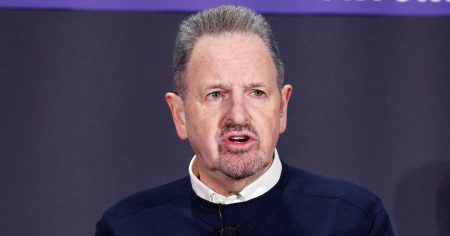






Amit Mathradas is the CEO of Nintex, a process automation and artificial intelligence company.
“Could the role of CEO ever be automated?” is a thought experiment that was recently debated in our office. My take is that the role of CEO—and other generalist “super jobs” where employees execute their most impactful work across numerous functions—have been automated for a while. They just leverage human automation via support from a chief of staff, a comms lead, assistants, the broader leadership team and more. No shareholder in their right mind wants the CEO to spend their day mired in email correspondence or micromanaging people.
For a few years now, we’ve seen predictions that an uptick in automation could cause career specialists to fall out of favor in the workplace, making way for a new wave of generalists—at every level of the company. The reason being that, as automation continues to be able to complete more of our everyday work and tasks, many careers as we know them will morph into “super jobs,” not unlike current upper management roles.
Following this line of thinking, employees will expand beyond their expertise in a single field and will be expected to be proficient—and productive—across a wider range of skills and capabilities. This could cause a significant shift in the workforce, forcing us to reconsider not just career paths but also how we fundamentally view employee impact and value.
As always, we must be optimistic about this but also advance with caution and nuance. I believe an increase in productivity may not always generate progress.
The Depth Of Specialists
Traditionally, much of a company relies on specialists like engineers, designers and scientists. These employees build their careers vertically to become the best at what they do in a single discipline. As they improve their skills, they are presented with new opportunities for growth and development.
However, a company with too many specialists can create knowledge silos. I believe this is especially prevalent in academia, healthcare and financial services. This kind of specialization can also make an employee vulnerable to the shifting tides of technology in an ever-more-rapidly changing world.
The Rise Of Generalists
Some employees build their careers horizontally, focusing on understanding the mechanics of the entire system and how different groups interact with each other. They serve as orchestrators or automation agents within the company, possessing a deep understanding of how the work is done—without necessarily performing the tasks themselves.
Generalists play a crucial role in streamlining operations and connecting various parts of the organization. But a company that is over-reliant on generalists risks overlap in decision-making and accountability. Moreover, a dearth of subject matter experts can cause those decisions to be less informed.
Automation And Work Roles
Automation, particularly driven by advancements in artificial intelligence (AI), has raised concerns among specialists who fear that their roles will become obsolete. However, history suggests that automation tends to enhance the value of specialists rather than replace them.
Vertical automation, where specific tasks within a specialized field are automated, allows specialists to focus on higher-level analysis and decision-making. For example, lawyers and coders can leverage automation tools to streamline repetitive tasks (although they must proceed carefully) and dedicate their time to more complex challenges that demand greater expertise and creativity.
The truth is that both specialists and generalists benefit from automation. Automation can allow specialists to achieve incrementally more breadth while allowing generalists to achieve incrementally more depth.
Balancing Productivity With Progress
I believe that it is essential to strike a balance between specialists and generalists within organizations. The key lies in understanding the evolving role of technology and finding thoughtful ways to integrate it. Instead of fearing automation, organizations should embrace it as a tool that can enhance productivity, creativity and collaboration and help employees achieve their fullest potentials.
As automation technology becomes more prevalent, employees will likely have “copilots” that augment their capabilities and support them to achieve better outcomes. This shift has the power to reshape the organizational culture, create new markets and drive economic growth.
That said, amid these changes, concerns about work-life balance, transparency and governance can’t be ignored. Organizations must build a culture of trust and balance financial goals with a focus on values if they want to attract top talent.
Looking Ahead
As technology continues its rapid evolution, I believe it’s important to maintain a sense of optimism in order to embrace all of the possibilities. The infusion of technology can lead to innovation at scale, but it requires organizations and individuals to stay curious and adaptable.
The automation of CEO roles and the possible abandonment of specialists across enterprise may seem like an outlandish concept. But it reflects some of the changes already happening within organizations. In navigating the shifting landscape, every CEO can do three things: balance the need for specialists and generalists, understand the potential of automation, and nurture a culture of trust. This should keep the robots at the door.
Forbes Business Council is the foremost growth and networking organization for business owners and leaders. Do I qualify?
Read the full article here