





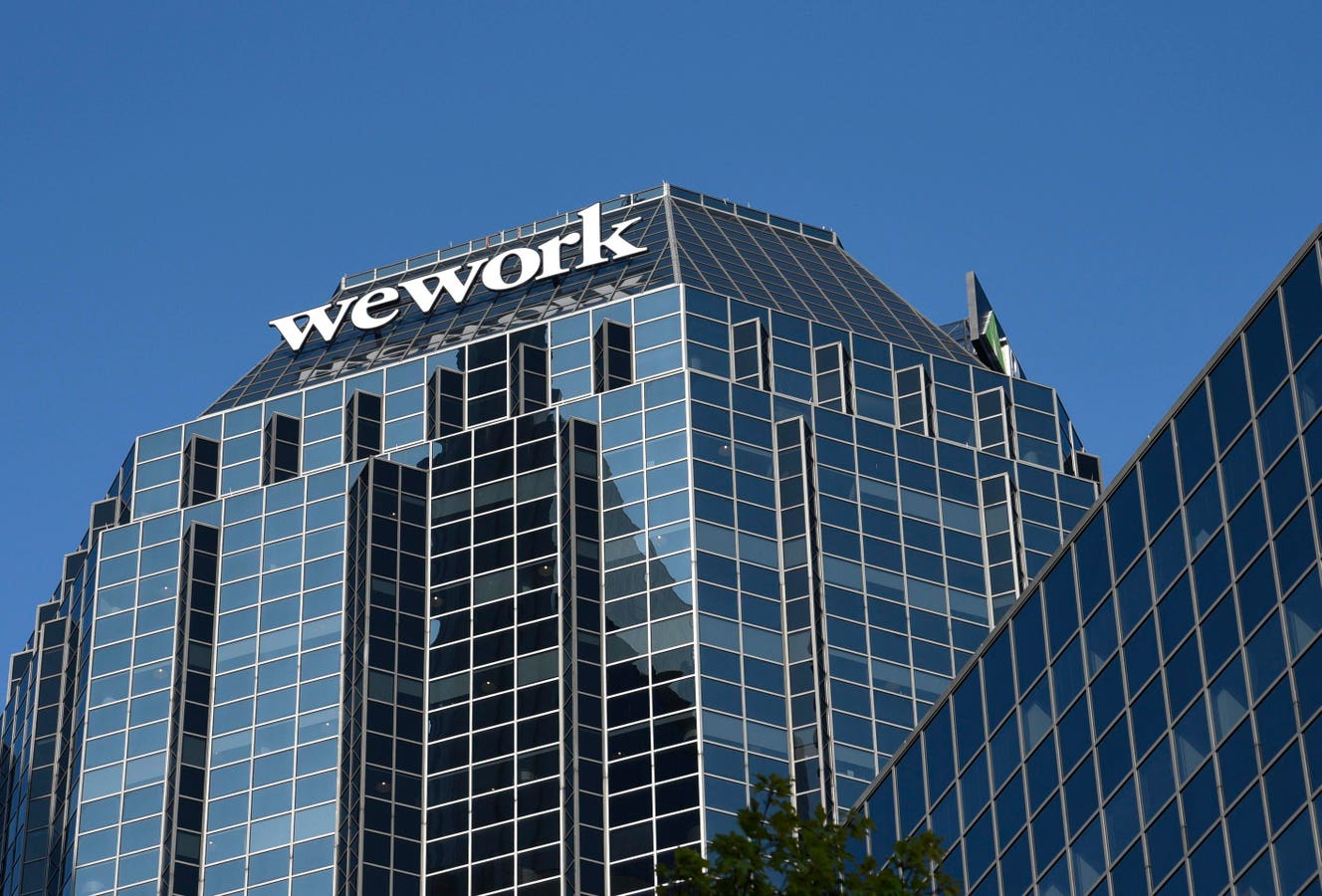
WeWork seemed like the dream start-up. At first glance.
Founder Adam Neumann’s company took on a stuffy sector —commercial property—and reimagined it for a new generation. He foresaw the desire for greater collaborative working, especially amongst young creatives, and gave them what they wanted.
WeWork rented office space, transformed it into a fun, vibrant co-working environment complete with free coffee and beer, then hired it out to individuals and small businesses at a profit.
At least that was the plan.
It is easy to see why so many investors backed this simple but ambitious start-up. In fact, at its height, WeWork was valued at $47 billion according to Forbes. However, it recently filed for bankruptcy protection with its share valuation standing a fraction of its 2019 levels.
For any entrepreneur starting out, the first half of the story seems like the dream we all share for our fledgling businesses, but there are also lessons to take on board to help you avoid the nightmare the company faced in its final chapter.
How Can Entrepreneurs Avoid WeWork’s Pitfalls?
WeWork grew at an astonishing rate, but therein lay some of the issues that led to its downfall. Entrepreneurs can learn a lot about how to manage growth in a more sustainable manner from looking into some of the issues that beset WeWork.
Establish A Real Point Of Difference
For all the hype about WeWork’s disruptive presence, the bare bones of the business were surprisingly traditional. It was not the tech titan that many lauded it to be. Instead, it was a commercial property company in a world full of commercial property companies. It had its own style, of course, but one reason for its downfall—even after it returned to its pre-pandemic capacity levels—was oversupply in the sector.
Think not only about how your branding and story differentiate you from your competitors; consider how your business model is different too. Future investors need to know what it is that makes your company unique, and what makes it the best recipient of their funds.
Provide full transparency over what your business is and does, and why that constitutes a competitive advantage. Many early WeWork backers were dazzled by the Silicon Valley sheen that distracted them from its less-than-innovative structure.
Consider Your Risks
No entrepreneur is entirely risk averse, but understanding what is a manageable amount of liability to take on is important. In order to drive down the prices it paid landlords, WeWork typically signed up to 15-year leases. Given that the model was then to sublet on a short term basis to its tenants, the company was continuously scrabbling to reduce churn, without any assurance that it could meet its obligations.
When Covid-19 hit and demand for office space fell away, all WeWork could do was try to negotiate its way out of leases or at least to reduced rental terms. With $16 billion in rent obligations, according to the Securities and Exchange Commission, it is an important lesson to be mindful of what level of risk you can reasonably afford to take on.
Be Practical And Understand What Sustainable Growth Looks Like
Taking the right decisions for your business sometimes means compromise. It is impractical to try and expand beyond your means, so you have to be realistic about your investments.
Part of WeWork’s swagger included snapping up property in the most expensive areas of the world’s most expensive cities. Whilst this looked impressive to the sector and to clients, it was not a sustainable model.
As frustrating as biding your time can be, plan smaller and more achievable steps to maintain forward momentum without taking on more than is practicable for your growing business.
Be Prepared To Pivot
WeWork had no margin for error; it had no plan B. It was a company that exploded and expanded when money was cheap and demand was high. However, a pandemic where employees were consigned to their homes and obliged to keep a two meter distance from each other, plus subsequent inflation and soaring interest rates defeated that model.
The problem was that there was no other direction open to WeWork. It could only plough ahead in the same manner, struggling to service its debts.
Agility is key for an entrepreneur because the business landscape is always shifting. Consider your options and what would happen if it becomes harder to borrow or trends reverse. Do you have the capacity to change direction at short notice? If not, consider your plans B and C at the nearest possible juncture.
The takeaway from small business owners should be that there has to be a balance between rapid growth and expansion, and level-headed planning. There needs to be something to fall back on when times get tough. Unfortunately, WeWork did not have that luxury.
Read the full article here