





Elon Musk is exploring the possibility of upgrading the human brain to allow humans to compete with sentient AI through ‘a brain computer interface’ created by his company Neuralink. “I created [Neuralink] specifically to address the AI symbiosis problem, which I think is an existential threat,” says Musk.
While Neuralink has just received FDA approval to start clinical trials in humans (intended to empower those with paralysis), only time will tell whether this technology will succeed in augmenting human intelligence as Musk first intended. But the use of AI to augment human intelligence brings up some interesting ethical questions as to which tools are acceptable (a subject to be discussed in next month’s article) and which are seen as overstepping the mark.
ChatGPT, one of many tools created as a result of the internet and AI, is being used to create new working methods (with the potential threat to existing jobs), but its implementation is also creating new ways of thinking.
To understand how students view and use Chat GPT, myself and four other Warwick Business School doctoral researchers, as part of a developmental activity within our DBA program, decided to ask undergraduate students in Amsterdam and London their views on ChatGPT.
We didn’t enter with any preset ideas – but I also didn’t expect the comments we received.
Early adopters hoping to gain an advantage
According to AI veterans Ethan Mollick and Allie Miller, guests on the podcast ‘Worklife with Adam Grant’ ChatGPT is one of the fastest adopted technologies of all time. GPT3 took 24 months to reach 1 million users. GPT4 (ChatGPT) took just 5 days.
For some of the students we interviewed, the early adoption of ChatGPT was seen as a way of upgrading themselves and their intelligence. “I guess people find me more intelligent when I’m using ChatGPT,” said one of the students. There was also a realisation that the speed of adoption was leveling the playing field “We have this opportunity to upgrade our knowledge, to upgrade our assignments, to upgrade life. But I guess it will be harder to compete with each other.”
Acting as God or losing voice
Whilst excited by what is possible with the possibilities of ChatGPT, like Gautam Adani (Asia’s richest man) some students were concerned about getting addicted. One student commented: “Sometimes I stay up way too late using [ChatGPT] and I feel like God. I can create anything – which is a little freaky.”
Whilst some saw the potential for creativity with ChatGPT, others were afraid that “the value of human creativity would be lost” and that our voice would be lost with ChatGPT.
Losing critical thinking
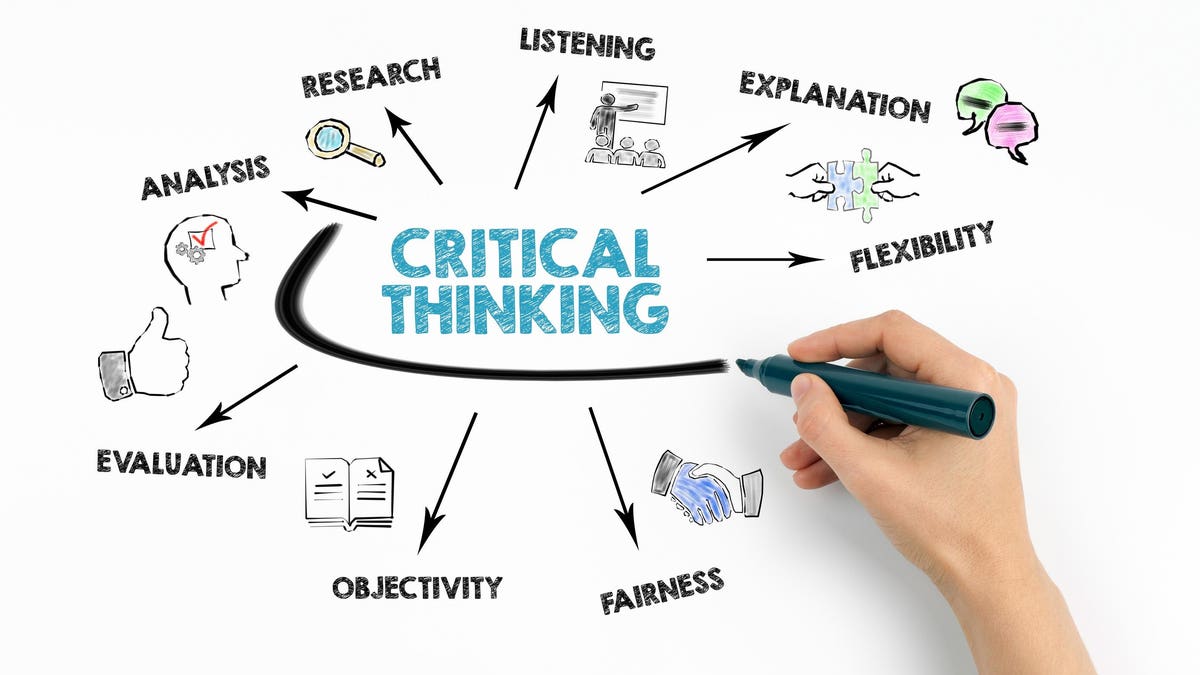
However, one of the most frequent discussions was around what ChatGPT would do for critical thinking. Whilst ChatGPT could be a tool for upgrading our intelligence (or perhaps perceived intelligence), concern was expressed about whether this technology would result in a reduction in the use of our brain. Of equal importance, students questioned whether this would lead to an erosion of critical thinking, resulting in a lack of learning. This erosion in critical thinking could be particularly dangerous considering that ChatGPT was viewed by several students to be a “bit young” and “not trustworthy” (especially in regards to academic references provided by ChatGPT).
Upgrading to utilise ChatGPT
SImilar to what Covid did for remote working, what ChatGPT might achieve is to force universities to change their outdated methods of assessment. Some universities (and schools) echo the above concern of students that ChatGPT will be used to fulfil assignments without critical thinking. But as mentioned by Mollick – people have always found ways to cheat long before ChatGPT, so the way we assess students needs to change.
This raises an opportunity for pedagogical innovation where instead of testing for content we are testing for critical thinking and how we bring thoughts and concepts together. Some educationalists are more concerned about how to detect whether ChatGPT has been used (with, according to Mollick, a 26% accurate detection rate), rather than accepting that tools such as ChatGPT are, and will increasingly become, part of both our working and leisure time.
The tides of change
The thoughts of the students we interviewed were somewhat mixed – ranging from seeing these tools as beneficial, to being worried about an erosion of critical thinking skills – but there is no denying that AI tools such as ChatGPT are changing our lives whether we like it or not.
Therefore, perhaps instead of trying to discourage the use of these tools, universities should be teaching students how to make the best use of AI to upgrade our human skills?
Many thanks to the students in Amsterdam and London who agreed to be interviewed. Also thanks to my fellow doctoral researchers on the DBA program at Warwick Business School; Chun-Kit Tang, Dean Al-Sened, Derrick Chang and Laura Sapa. The results included here from our exploratory study are solely my interpretation and do not represent the views of my fellow researchers, WBS or the professors who coordinated the developmental activity – Davide Nicolini or Nick Llewellyn.
Read the full article here