





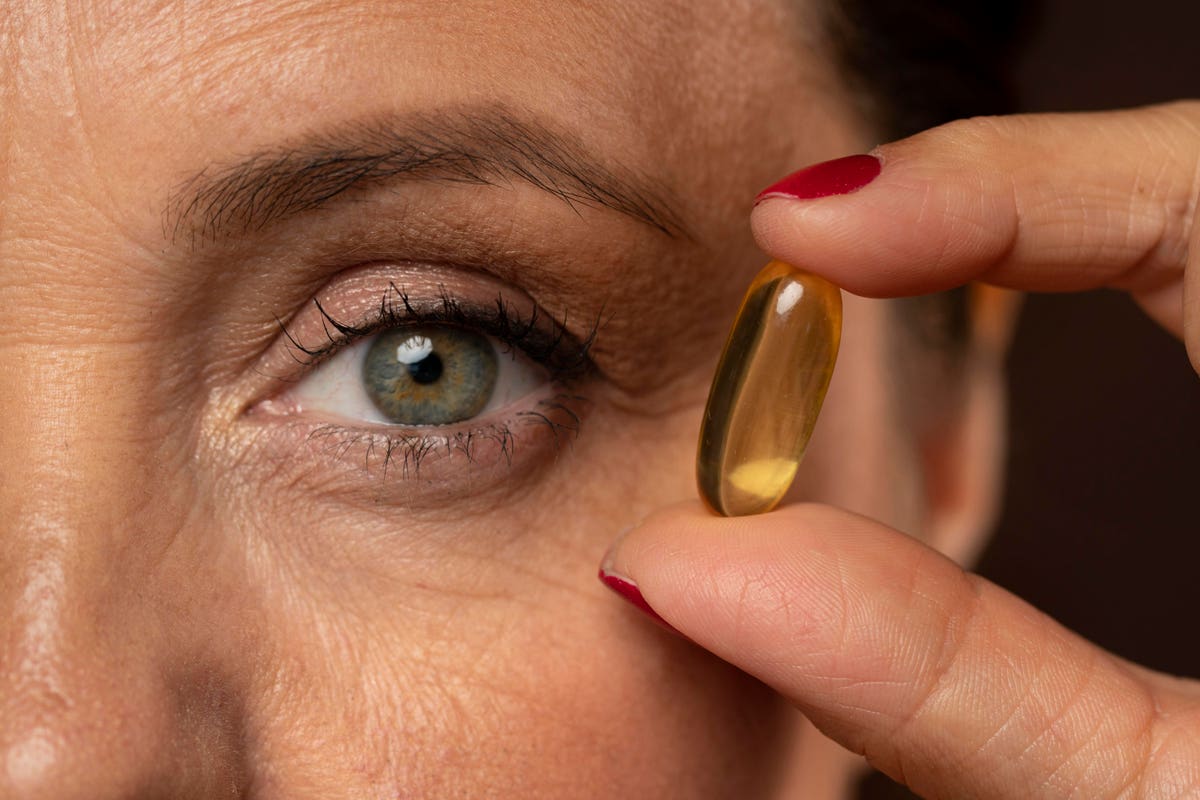
Omega-3 fatty acids have been touted as essential nutrients for overall health, but it is important to look critically at the potential benefits of omega-3s for eye health. While studies show that consuming omega-3 fatty acids may help reduce the risk of developing macular degeneration and glaucoma, it is important to note that these studies are not conclusive.
This article will explore if omega-3s can help treat eye diseases and take a critical look at the potential of omega-3s, offering a glimpse into the future of eye care.
What is Omega-3?
Omega-3s are essential components found in the membranes of human cells. These fats are polyunsaturated, characterized by double bonds in their chemical structure. Polyunsaturated fats are different from other fats, like saturated fats, because their chemical structure is different. Also, saturated and trans fats are unhealthy when consumed in large quantities. Polyunsaturated fats, on the other hand, are known as healthy fats.
There are three unique types of these omega-3 fatty acids. The first is eicosapentaenoic acid, also called EPA. Fish and fish oil supplements contain EPA. It is the omega-3 that plays an essential role in preventing heart disease. Additionally, it serves as an FDA-approved medication to lower triglyceride levels.
The second of the omega-3s is alpha-linolenic acid or ALA. Plant foods such as flaxseed and soybeans are commonly rich in this nutrient. ALA helps reduce blood clots, supports growth and development, and decreases inflammation in the body. Upon consumption, it can undergo conversion into two essential fatty acids: EPA and docosahexaenoic acid (DHA). However, this process is inefficient, resulting in a minimal conversion of the total ALA to EPA and DHA.
DHA is the last of the three omega-3s and the most critical for sight. Studies suggest that our eyes may benefit from a diet high in DHA. Moreover, DHA is typically abundant in the retina and brain. In the retina, DHA maintains photoreceptors which are the cells that help us process light. Similarly to EPA, docosahexaenoic acid is in fish and various types of seafood.
Low levels of EPA and DHA have been associated with common eye conditions, such as macular degeneration, glaucoma, and diabetic retinopathy. Alzheimer’s disease often manifests with low levels of DHA, contributing to the prevalence of visual impairments among affected individuals.
Unfortunately, these omega-3s are unattainable through the body’s natural production. Instead, acquiring these omega-3s from dietary sources or supplements is necessary.
Omega-3 as a Supplement for Vision
Some studies have found that omega-3 supplementation has improved visual acuity and slowed the progression of retinal diseases and dry eye disease. A comprehensive multicenter randomized clinical trial supported this outcome, which examined the impact of omega-3s on visual health outcomes and dry eye disease compared to placebo.
The trial provided further evidence for the effect of omega-3s on these measures. The randomized trial followed 535 participants and reported that support the claim that omega-3 supplementation has a positive impact on severe dry eye disease compared to a placebo. The study did not illustrate the statistical significance of their finding, however. As a result, it is essential to consider more evidence before recognizing this as a steadfast fact.
Three other studies found similar results across ten years. The first and most recent, published in 2018 in the Indian Journal of Opthalmology, found that daily supplementation of omega-3s for three months in 518 participants reduced symptoms and signs of dry eyes compared to a placebo. The second trial, by The Eye Center of Columbus, had a lower participant count and also found that omega-3 supplements increased tear film stability, which is vital for dry eye disease treatment. The final study was the largest of the three.
It was a cross-sectional study published in the American Journal of Clinical Nutrition. It featured 32,470 participants. The results were that the women with the highest dietary omega-3 intake had a 17% lower risk of dry eye disease than those with the lowest intake. The study found this association for DHA with the highest intake leading to a 12% lower risk of dry eye disease.
Omega-3 supplements are effective in preventing and alleviating dry eye disease. However, their impact is a subject of further investigation regarding more severe conditions like age-related macular degeneration.
Omega-3 For Other Ocular Obstacles
Interestingly, a three-month period of omega-3 supplementation resulted in a noteworthy reduction in intraocular pressure among adults in a randomized clinical trial from Australia. The study that found this result did confirm their results were statistically significant. However, considering it is still one of the first of its kind, it is crucial to remain skeptical until further research is published.
Observational studies have shown that dietary consumption of omega-3 fatty acids may confer protection against age-related macular degeneration and reduce the risk of advanced macular degeneration. However, no current randomized clinical trial data support this or increasing omega-3 intake to combat age-related macular degeneration explicitly.
Further to that point, for a boost in DHA to help treat or prevent retinal disorders like age-related macular degeneration or retinitis pigmentosa, it must first travel to the intestine, where it is absorbed and then to the bloodstream. From there, it needs to travel in the bloodstream into the retina. This means that the supplement would need to pass not only the intestinal barrier but also the blood-brain barrier.
The-brain barrier serves as a vital protective shield, shielding the delicate neural tissue of the brain from the bloodstream. However, not all omega-3 supplements effectively traverse this barrier, potentially rendering them ineffective in delivering DHA to the retina.
You may now be thinking, “Well, if omega-3 doesn’t work as a supplement to combat retinal disorders, will it even work as a drug?”
From Supplement to Medication
Currently, there are no FDA-approved Omega-3 drugs for ocular disorders. Still, the question is significant as many research groups are working to determine how effective these fatty acids are and how to convert them from nutraceuticals to proper pharmaceuticals for eye diseases.
How soon can we expect omega-3 medications in eye treatments, considering the FDA’s approval of their efficacy in addressing cardiovascular conditions and managing triglycerides?
The approval process for new drugs is lengthy, complex, and expensive. Hence, an exact estimate is impossible, but with study results showing that omega-3 fatty acids may protect from age-related macular degeneration and the creation of new supplements, the odds are good that we will see these sooner rather than later.
Still, more research is needed before omega-3-based treatments for retinal disorders are found on pharmacy shelves.
To learn more about the eye, read more stories at www.williamhaseltine.com
Read the full article here