





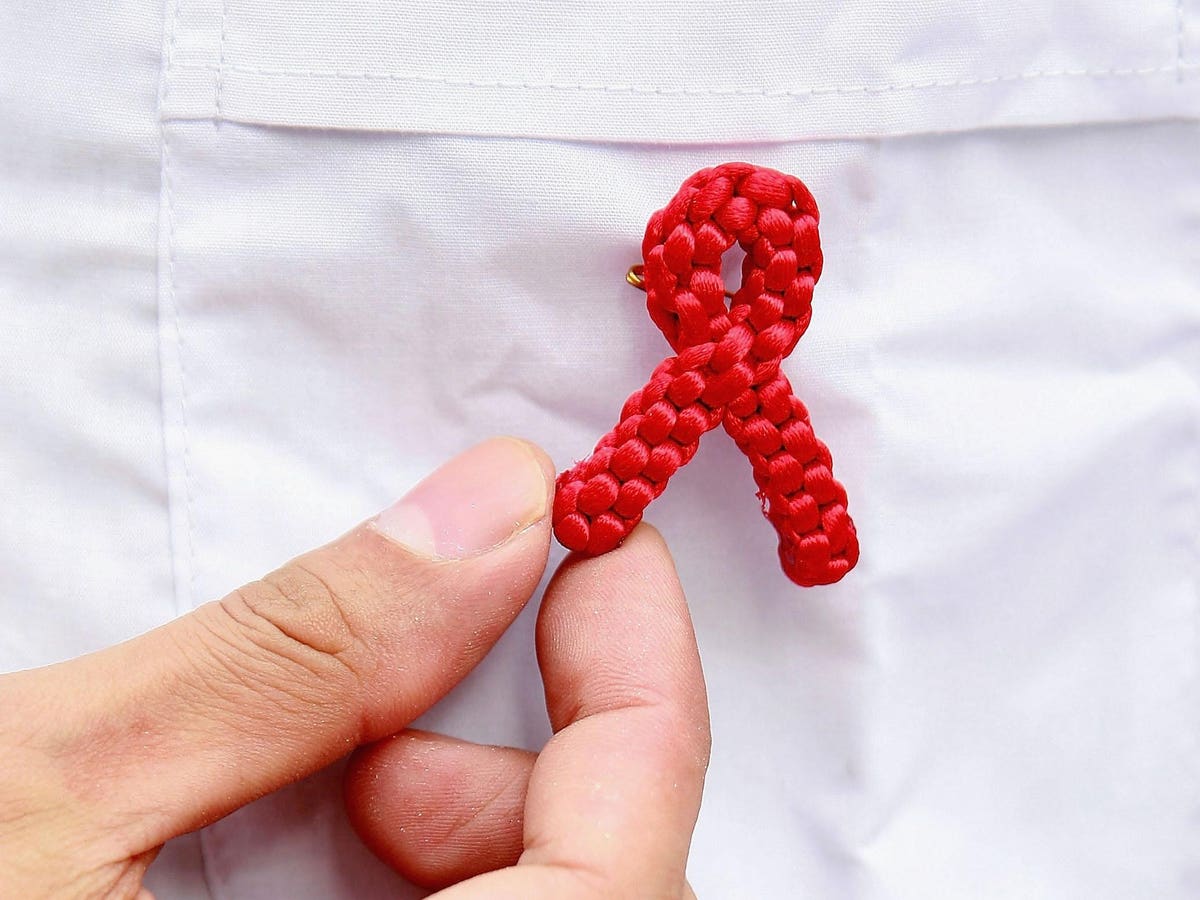
In a report released by the Joint United Nations Programme on HIV/AIDS, better known as UNAIDS, on July 13, 2023, the agency argued that it may be possible to end AIDS by 2030. It’s a bold goal. Over the past 40 years, roughly 40 million people have died from AIDS-related illnesses. Another 39 million people worldwide currently are living with HIV. Over 1 million people became infected in 2022. Ending this scourge would be nothing short of a public health miracle. Is it possible?
Let’s start by asking a more fundamental question. What does ending AIDS mean? The phrase is a bit of a misnomer. No one is suggesting that HIV/AIDS will be eradicated, as smallpox was in the 1970s. For myriad reasons, that outcome most likely never will be achieved. Rather, strategists hope that the number of new infections can be reduced dramatically by 2030. In the United States, for example, approximately 35,000 people become infected each year. Officials want to reduce that number to 3,000 or less. At that level, public health researchers hope, we can move past the crisis stage of the past four decades.
Just two decades ago, deaths and new infections were increasing at alarming rates. But the tide has been turning. The President’s Emergency Plan for AIDS Relief, announced by President George W. Bush in 2003, has provided roughly $100 billion to battle HIV/AIDS, primarily in sub-Saharan Africa. The results? More people living with HIV are receiving antiretroviral therapy, fewer people are dying from AIDS-related illnesses and new infections have dropped. Indeed, the UNAIDS report estimates that the number of new HIV infections dropped 57% in eastern and southern Africa and 49% in western and central Africa between 2010 and 2022. Globally, the number of new infections has dropped 38%. But success has not occurred everywhere. In eastern Europe and central Asia, the number of new infections increased nearly 50% during that same period.
To a large extent, the decreases seen in southern Africa can be to tied to the increased availability of antiretroviral therapy. Between 2010 and 2022, the number of people living with HIV who were receiving ART rose substantially, from 7.7 million to nearly 30 million. With the currently available antiretroviral drugs, a person living with HIV can reduce their viral load to undetectable levels. This viral suppression allows the individual to live a healthier life. Additionally, it greatly reduces the risk of transmitting the virus to another person. And for people who are not infected, pre-exposure prophylaxis, or PrEP, dramatically reduces the risk of becoming infected. To capitalize on these prevention strategies, UNAIDS proposed the 95-95-95 goals in 2014. These goals challenge world leader to ensure that 95% of people infected with HIV know their status, 95% of people who know their status receive antiretroviral therapy and 95% of people receiving ART have suppressed viral loads. Although these aims are ambitious, they are achievable. Several countries, most notably Eswatini, Botswana, Zimbabwe, Rwanda and the United Republic of Tanzania have reached the UNAIDS 95-95-95 goals. HIV/AIDS remains a significant problem in each of these countries, but the situation is improving.
However, barriers remain. Testing needs to increase. Funding needs to increase. Most notably, vulnerable populations remain at risk. According to data provided by the World Health Organization, female sex workers are 30 times more likely to be HIV-positive than other women. In the United States, 70% of new HIV infections occur in gay and bisexual men. Several studies have documented the exceedingly high prevalence of HIV/AIDS in people who inject drugs, especially in eastern European and central Asian countries. Various factors, from anti-LGBTQ laws to the lack of needle exchange programs to the general stigma faced by many historically marginalized groups, drive these numbers. Indeed, the UNAIDS goals have another critical component—zero discrimination. Unfortunately, this may be the most difficult goal to achieve. But to truly end AIDS, the strategies effectively used by some people in some areas need to be accessible to all people in all areas.
So, is the end of AIDS by 2030 possible? It’s probably an aspirational goal. But we have the tools to make it happen. As the UNAIDS report notes, “…countries that put people and communities first in their policies and programmes are already leading the world on the journey to end AIDS by 2030. We need all leaders to get on that path.”
Read the full article here