




On May 5, 2023, The United Nation News reported that the global health emergency of COVID-19 was declared over. The ripple effects from the pandemic did not cease with this declaration, and the impact of COVID-19 reverberated throughout college mental health. A 2024 study in the Cureus Journal of Medical Science conducted a review of 32 studies on college mental health during the pandemic, and found increases in anxiety, depression, suicidal ideation, and other mental health concerns.
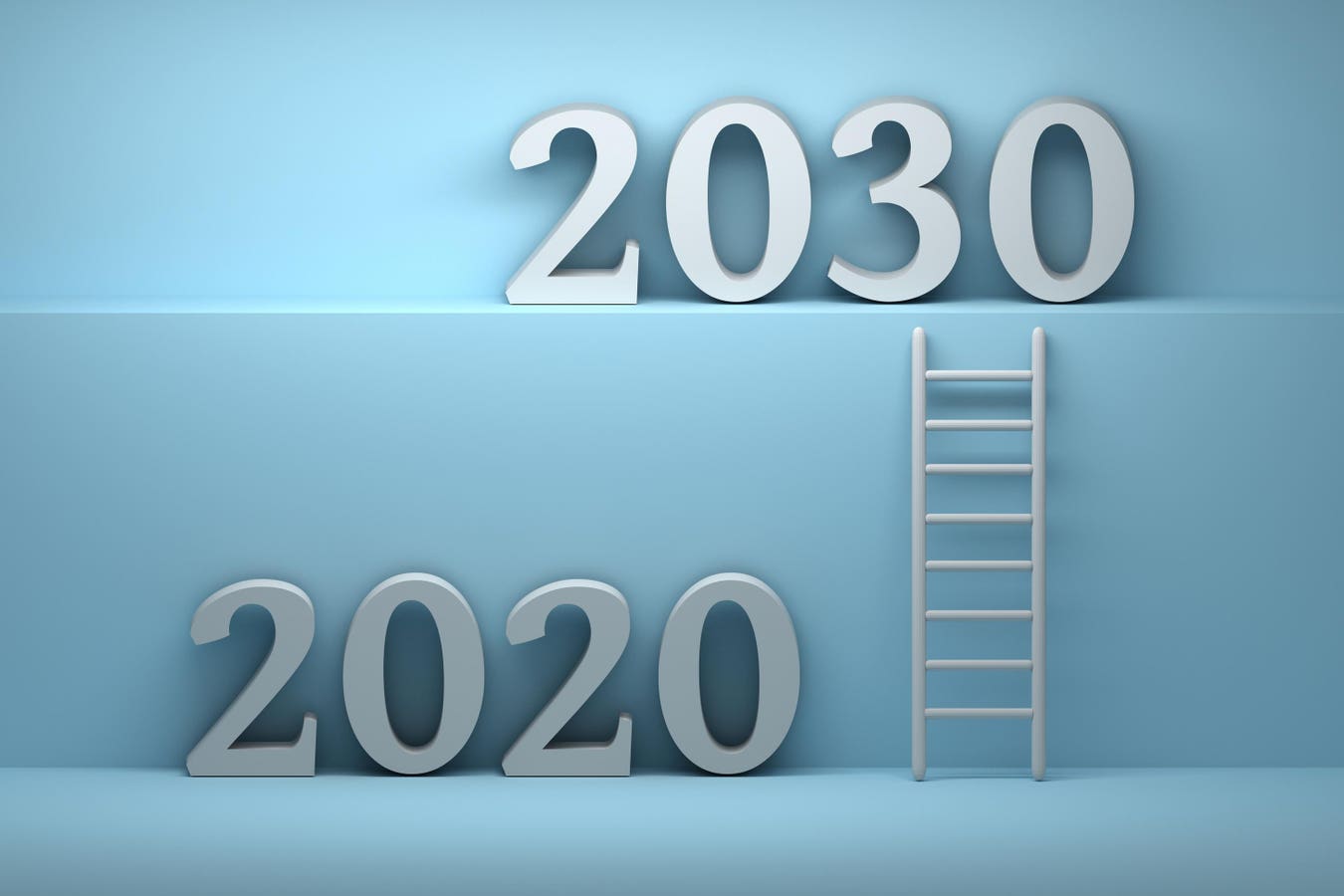
Researchers are now suggesting a gradual decline in mental health symptoms among college students. For example, the 2024 Health Minds Study, which included over 100,000 college students from across 200 universities, suggested nationwide decreases in anxiety, depression, and thoughts of suicide. Despite these decreases, some experts believe that the ripple effects of COVID-19 in higher education will not settle until the class of 2030 graduates. This is because many students in the incoming classes of 2028, 2029, and 2030 were in the formative years of early-stage adolescence during the pandemic.
Possible Impacts Of The Pandemic On The Class Of 2028
A 2024 report on Forbes.com detailed how the class of 2028 holds shifting worldviews and a familiarity with change because of the pandemic. Many students in this cohort were in the last year of middle school when the pandemic hit, experienced stressful transitions during the initial phases of the shutdown, and then started a new high school, all within six months. Because these students experienced unprecedented amounts of change during their formative years, there’s concern about how this familiarity to change might impact university outcomes.
A 2025 report by the National Student Clearinghouse Research Center indicated that the transfer rate of college students to new institutions grew by 4.4% in fall 2024. This was the first semester for the class of 2028, meaning that it’s possible that being familiar with change contributed to some students transferring schools. How students view change is an important consideration for mental health professionals. Being averse to change, or using change to cope with normative stressors, can have a significant impact on wellbeing.
Possible Impacts Of The Pandemic On The Class Of 2029
Many in the class of 2029 were in seventh grade when the pandemic hit. These students might have been more vulnerable to the impact of the pandemic as compared to both high schoolers and elementary students. Compared to high schoolers, many middle schoolers endured the pandemic with less emotional maturity and developed identities, shorter attention spans, and being less comfortable with technology. Compared to elementary students, middle schoolers generally experienced more academic demands, higher emotional volatility, and suffered more losses regarding developmental/social milestones.
A 2020 report on NPR.org described concerns from a pediatrician about the effects of the pandemic on middle schoolers. Another factor of consideration is the relationship between middle schoolers and their parents during the pandemic. A 2021 report by the United Stated Census Bureau indicated significant increases in homeschooling during the pandemic, and many parents spent more time at home because of the economic shutdown.
The increased amount of time that parents generally had with their middle schoolers during the pandemic might contribute to some parents being helicopter/snowplowing parents as these students enter college. Thus, there’s concern that families of the class of 2029 might demand more and place unrealistic expectations on schools. There’s also concern some of these parents could be overcontrolling toward students. A 2025 report on Forbes.com discussed the detrimental effects that overcontrolling parents can have.
Possible Impacts Of The Pandemic On The Class Of 2030
Many students in the class of 2030 started middle school when the pandemic hit. As a group, they experienced similar dynamics as students who are now in the classes of 2028 and 2029; however, the class of 2030 had more normative experiences prior to starting college. For example, many of these students enjoyed traditional years throughout high school.
Specific schools and communities varied greatly in how they were impacted by COVID-19, and some students who were in elementary schools when the pandemic hit will carry lingering effects into college. However, the middle school years are unique in the developmental life span, so it’s important to consider how experiencing the pandemic during these years might impact the wellbeing of current learners.
Read the full article here