


Startup DreamersStartup Dreamers
  • Home
  • Startup
  • Money & Finance
  • Starting a Business
    • Branding
    • Business Ideas
    • Business Models
    • Business Plans
    • Fundraising
  • Growing a Business
  • More
    • Innovation
    • Leadership
Trending

This Indigenous Language Survived Russian Occupation. Can It Survive YouTube?

May 7, 2026

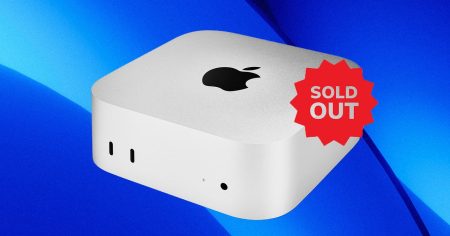
Good Luck Getting a Mac Mini for the Next ‘Several Months’

May 6, 2026

Rednote Draws a Line Between China and the World

May 5, 2026
Facebook Twitter Instagram
  • Newsletter
  • Submit Articles
  • Privacy
  • Advertise
  • Contact
Facebook Twitter Instagram
Startup DreamersStartup Dreamers
  • Home
  • Startup
  • Money & Finance
  • Starting a Business
    • Branding
    • Business Ideas
    • Business Models
    • Business Plans
    • Fundraising
  • Growing a Business
  • More
    • Innovation
    • Leadership
Subscribe for Alerts
Startup DreamersStartup Dreamers
Home » Meta’s Election Research Opens More Questions Than It Answers
Startup

Meta’s Election Research Opens More Questions Than It Answers

adminBy adminJuly 28, 20233 ViewsNo Comments3 Mins Read
Facebook Twitter Pinterest LinkedIn Tumblr Email

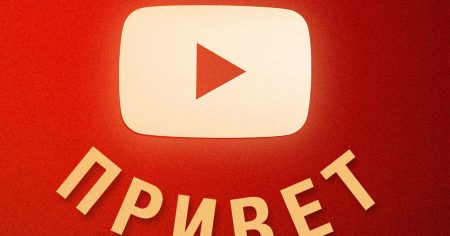
In the lead-up to the 2020 presidential election, Meta set out to conduct a series of ambitious studies on the effects its platforms—Facebook and Instagram—have on the political beliefs of US-based users. Independent researchers from several universities were given unprecedented access to Meta’s data, and the power to change the feeds of tens of thousands of people in order to observe their behavior.

The researchers weren’t paid by Meta, but the company seemed pleased with the results, which were released today in four papers in Nature and Science. Nick Clegg, Meta’s president of global affairs, said in a statement that “the experimental findings add to a growing body of research showing there is little evidence that key features of Meta’s platforms alone cause harmful ‘affective’ polarization” or have “meaningful effects on” political views and behavior.

It’s a sweeping conclusion. But the studies are actually much narrower. Even though researchers were given more insight into Meta’s platforms than ever before—for many years, Meta considered such data too sensitive to make public—the studies released today leave open as many questions as they answer.

The studies focused on a specific period in the three months leading up to the 2020 presidential election. And while Andrew Guess, assistant professor of politics and public affairs at Princeton and one of the researchers whose findings appear in Science, noted that this is longer than most researchers get, it’s not long enough to be entirely representative of a user’s experience on the platform.

“We don’t know what would have happened had we been able to do these studies over a period of a year or two years,” Guess said at a press briefing earlier this week. More importantly, he said, there is no accounting for the fact that many users have had Facebook and Instagram accounts for upwards of a decade now. “This finding cannot tell us what the world would have been like if we hadn’t had social media around for the last 10 to 15 years or 15 or 20 years.”

There’s also the issue of the specific time frame the researchers were able to study—the run-up to an election in an atmosphere of intense political polarization.

“I think there are unanswered questions about whether these effects would hold outside of the election environment, whether they would hold in an election where Donald Trump wasn’t one of the candidates,” says Michael Wagner, a professor of journalism and communication at University of Wisconsin-Madison, who helped oversee Meta’s 2020 election project.

Meta’s Clegg also said that the research challenges “the now commonplace assertion that the ability to reshare content on social media drives polarization.”

Researchers weren’t quite so unequivocal. One of the studies published in Science found that resharing elevates “content from untrustworthy sources.” The same study showed that most of the misinformation caught by the platform’s third-party fact checkers is concentrated amongst and exclusively consumed by conservative users, which has no equivalent on the opposite side of the political aisle, according to an analysis of about 208 million users.

Read the full article here
Share. Facebook Twitter Pinterest LinkedIn Tumblr Email

Related Articles

This Indigenous Language Survived Russian Occupation. Can It Survive YouTube?

Startup May 7, 2026

Good Luck Getting a Mac Mini for the Next ‘Several Months’

Startup May 6, 2026

Rednote Draws a Line Between China and the World

Startup May 5, 2026

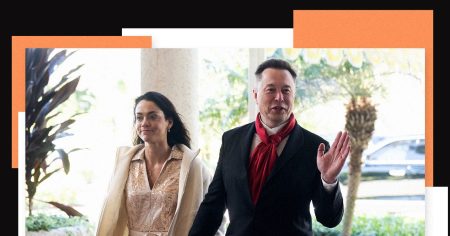
How Shivon Zilis Operated as Elon Musk’s OpenAI Insider

Startup May 4, 2026

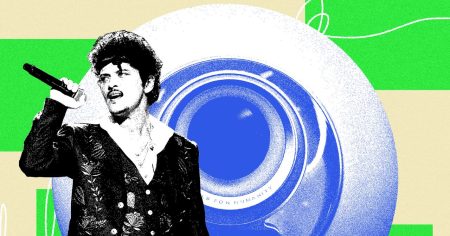
Sam Altman’s Orb Company Promoted a Bruno Mars Partnership That Doesn’t Exist

Startup May 2, 2026

US Senate Candidate Caught Insider Trading on Kalshi Says He Did It on Purpose

Startup May 1, 2026
Add A Comment

Leave A Reply Cancel Reply

Editors Picks

This Indigenous Language Survived Russian Occupation. Can It Survive YouTube?

May 7, 2026

Good Luck Getting a Mac Mini for the Next ‘Several Months’

May 6, 2026

Rednote Draws a Line Between China and the World

May 5, 2026

How Shivon Zilis Operated as Elon Musk’s OpenAI Insider

May 4, 2026

Sam Altman’s Orb Company Promoted a Bruno Mars Partnership That Doesn’t Exist

May 2, 2026

Latest Posts

Meta Is Sued Over Scam Ads on Facebook and Instagram

April 30, 2026

Join Our Livestream: Musk v. Altman and the Future of OpenAI

April 29, 2026

What Are Peptides And Why Is Everyone Talking About Them?

April 29, 2026

AI Tools Are Helping Mediocre North Korean Hackers Steal Millions

April 28, 2026

Quantum Art’s Series A Is Now $140 Million

April 28, 2026
Advertisement
Demo

Startup Dreamers is your one-stop website for the latest news and updates about how to start a business, follow us now to get the news that matters to you.

Facebook Twitter Instagram Pinterest YouTube
Sections
  • Growing a Business
  • Innovation
  • Leadership
  • Money & Finance
  • Starting a Business
Trending Topics
  • Branding
  • Business Ideas
  • Business Models
  • Business Plans
  • Fundraising

Subscribe to Updates

Get the latest business and startup news and updates directly to your inbox.

© 2026 Startup Dreamers. All Rights Reserved.
  • Privacy Policy
  • Terms of use
  • Press Release
  • Advertise
  • Contact

Type above and press Enter to search. Press Esc to cancel.

GET $5000 NO CREDIT